

Aroha mai, aroha atu. Love received demands love returned.
Whakataukī
Whakataukī (traditional Māori proverbs) are vehicles for love and kinship in te reo Māori (the Māori language). These use images that many recognise, including the whānau (extended family) as a woven harakeke (flax) bush with its rito (new shoot) protected at the centre; small things that are pounamu (greenstone)-precious; work shared front and back, leader and supporter, seen and unseen. These short and memorable lines help us turn aroha (love, compassion) into a daily act.
| Maori Proverb | English Gloss | Theme | Suggested Use |
|---|---|---|---|
| He aroha whakatō, he aroha puta mai | If love is sown, then love you shall receive. | Reciprocity / Compassion | Start and end the day with one act of aroha to model reciprocity. |
| He aha te mea nui o te ao? He tangata, he tangata, he tangata | What is the most essential thing in the world? It is people, people, people. | People First / Priorities | Put people first: birthdays, care, and shared meals in calendars before tasks. |
| Ko te amorangi ki mua, ko te hāpai ō ki muri | The leader is at the front; the supporters are behind (both roles are vital). | Leadership / Support | Name both front-facing and behind-the-scenes roles so all labour is honoured. |
| Ahakoa he iti, he pounamu | Although small, it is precious. | Value of Small Things | Celebrate micro-efforts; use a thank-you jar for little wins. |
| Unuhia te rito o te harakeke, kei whea te kōmako e kō? … He tangata, he tangata, he tangata. | If the centre shoot of the flax is removed, where will the bellbird sing? … It is people. | Children / Whānau as Harakeke | Protect children’s calm and time with quiet zones and device-free meals. |
| He taonga rongonui te aroha ki te tangata | Goodwill toward people is a precious treasure. | Kindness / Treasure | Choose a weekly 'kindness focus' (visit a neighbour, listen well). |
| Te toto o te tangata he kai, te oranga o te tangata he whenua, he oneone | The lifeblood of a person is food; a person's well-being is tied to the land and soil. | Food / Land / Well-being | Reconnect with whenua: garden, compost, or walk together weekly. |
| Waiho i te toipoto, kaua i te toiroa | Let us keep close together, not far apart. | Closeness / Togetherness | Hold quick check-ins after dinner; batch cook or share rides to stay close. |
| Anei au, tō pou whirinaki | Here I am, your support to lean on. | Support / Reliability | Use a simple cue text: 'pou' when you need help, reply 'whirinaki' to call back. |


9 Whakataukī for Love and Family (with practical ways to use them)
These whakataukī honour whanaungatanga (relationship-connection) and manaakitanga (care/hospitality), reminding us that the wellbeing of tamariki (children), kaumātua (elders), and everyone in between depends on what we give each other. In the right context with proper pronunciation, they can go from home to classroom, marae (meeting place) to workplace, and across hapū (sub-tribe) and iwi (tribe).
Aroha is more than love; it’s compassion expressed in action. It includes aroha mai (compassion to me) and aroha atu (compassion from us to you), showing reciprocity and direction.
He aroha whakatō, he aroha puta mai
If love is sown, then love you shall receive.
Use it: Start and end the day with one act of aroha (love, compassion), a note, a call, or a chore done without being asked, to model reciprocity for kids and adults alike.
He aha te mea nui o te ao? He tangata, he tangata, he tangata
What is the most essential thing in the world? It is people, people, people.
Use it: Centre time and decisions on tangata (people). Put birthdays, care needs, and shared meals in the family calendar before tasks. This is a great saying about working together and collaborating.
Ko te amorangi ki mua, ko te hāpai ō ki muri
The leader is at the front; the supporters are behind (both roles are vital).
Use it: Name the amorangi (front-of-house lead) and the hāpai ō (support crew) for each event—one cooks, one hosts, one cleans, so unseen labour is honoured.
Ahakoa he iti, he pounamu
Although small, it is precious.
Use it: Celebrate small efforts as pounamu (greenstone)-precious. Stick a note jar on the bench where whānau drop thank-yous for little wins.
Unuhia te rito o te harakeke, kei whea te kōmako e kō? … He tangata, he tangata, he tangata.
If the centre shoot of the flax is removed, where will the bellbird sing? … It is people.
The harakeke (flax) plant symbolises whānau. The rito (shoot) represents children, while the outer leaves are parents and elders who protect and nurture them.
Use it: Protect the rito (new shoot), your children’s time and calm. Build quiet zones and device-free meals so the harakeke (flax) of the whānau (extended family) stays strong.
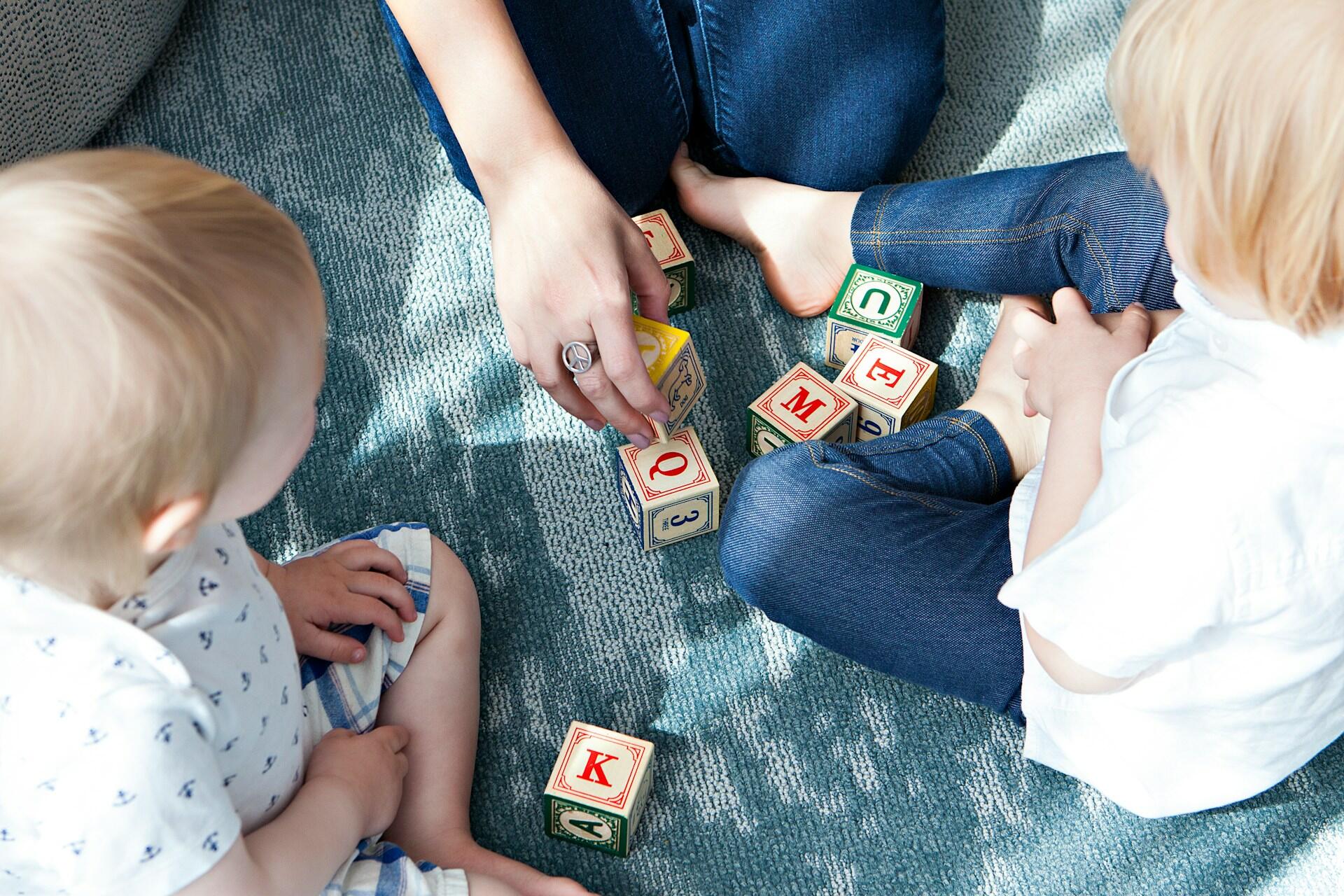
He taonga rongonui te aroha ki te tangata
Goodwill toward people is a precious treasure.
Use it: Make kindness a visible taonga (treasure): choose a weekly “kindness focus” (listening well, visiting a neighbour) and debrief how it felt.
Te toto o te tangata he kai, te oranga o te tangata he whenua, he oneone
The lifeblood of a person is food; a person's well-being is tied to the land, specifically the soil.
Use it: Reconnect with whenua (land): garden together, walk local tracks, or learn a place name. Touch oneone (soil) weekly—plant, weed, or compost as a family ritual.
Waiho i te toipoto, kaua i te toiroa
Let us keep close together, not far apart.
Use it: Build toipoto (closeness) on busy weeks: 10-minute check-ins after dinner. Reduce toiroa (distance) by batch-cooking and sharing rides.
Anei au, tō pou whirinaki
Here I am, your support to lean on.
Use it: Create a simple cue for support, text “pou (support post/pillar)” when you need help; the other replies “whirinaki (lean on me)” and calls within the hour. There are many sayings about strength, and you'll see that many of them include collaboration.
New Zealanders provide regular care for someone who is ill or disabled.
Build Everyday Aroha in 5 Rituals
You can turn good intentions into family culture with small, repeatable habits. Here are five simple rituals that can weave aroha into your daily lives. A minute to set the tone, a check-in to hear each voice, visible acts of care, mentoring, and a weekly gesture. Practice these.
Turn values into rituals: a morning karakia, dinner check-ins, and visible acts of care. Small, repeatable habits grow strong whānau bonds.
1. Morning karakia (prayer/ritual words)
Open the day with a one-minute karakia (prayer/ritual words) for safety, patience, and kindness. Keep it simple and explain the intent so everyone, kids and adults, feels included.
2. Whānau kōrero (family check-in) at dinner
Run a quick kōrero (conversation) round: “best thing, hardest thing, one thank-you.” Rotate who starts so every voice is heard and aroha (love, compassion) is practised, not just felt.
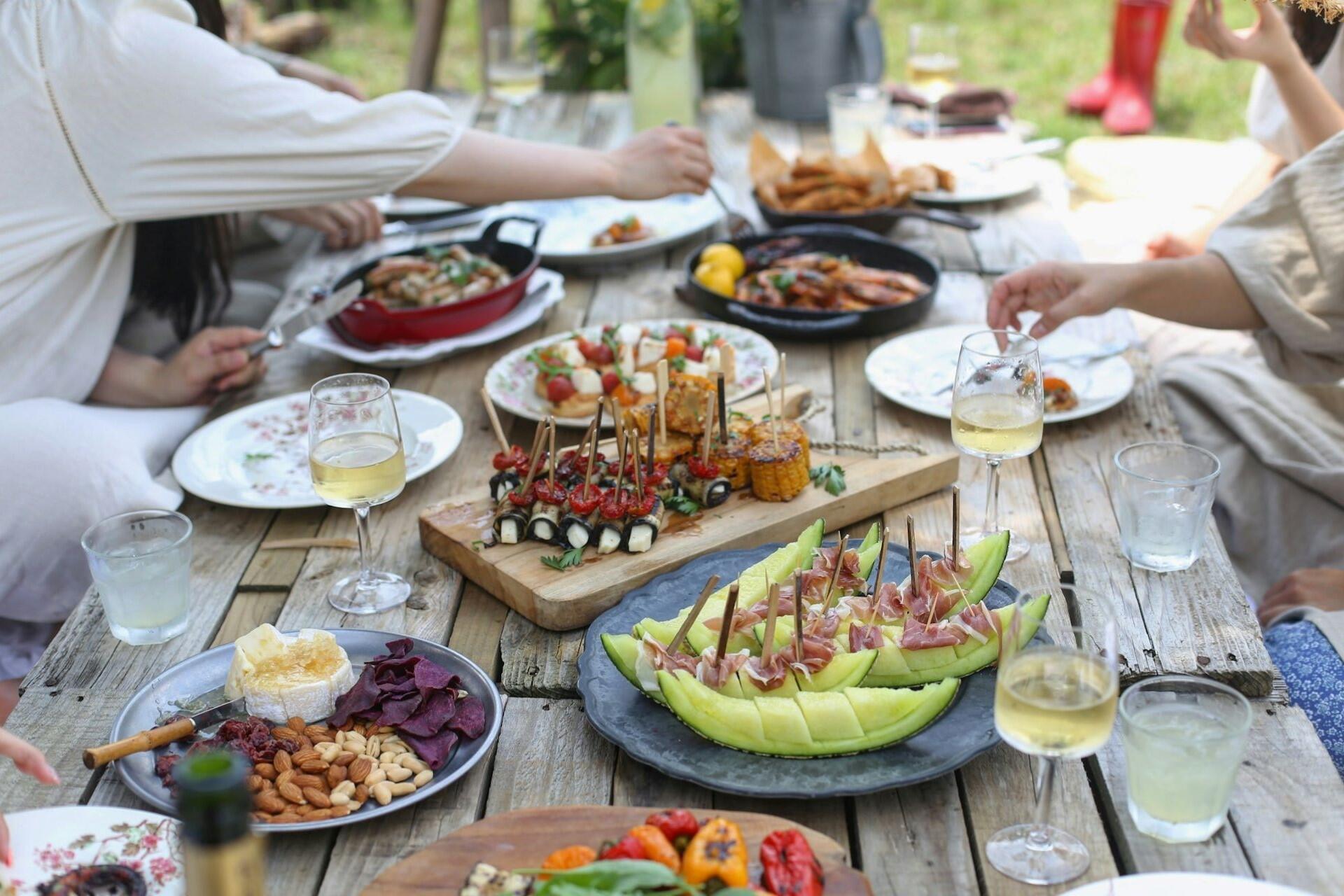
3. Manaakitanga task list (care/hospitality)
Make care visible: each week, assign one small manaakitanga (care/hospitality) task per person (set the table, message a relative, prep lunch). Treat it as a taonga (treasure) to the household, not a chore.
4. Tuakana–teina time (older–younger mentoring)
Pair siblings or cousins for tuakana–teina (older–younger mentoring): 15 minutes where the older teaches (reading, music, sport) and the younger chooses the topic next time. Celebrate the teaching and the effort. This, like the many sayings and teachings about growth, can help with younger development.
5. Kotahitanga moment (unity) + koha (gift) to others
Once a week, do one thing together for someone outside the home—drop a meal, write a card, weed a verge. Name it as kotahitanga (unity) and offer a simple koha (gift/contribution) to strengthen bonds beyond your walls.
“Ko te amorangi ki mua, ko te hāpai ō ki muri” in practice
Let's dive deeper and see how we can use the proverb “Ko te amorangi ki mua, ko te hāpai ō ki muri” and apply it. This reminds us that every gathering, project, or moment requires both the visible lead amorangi (front-of-house lead) and the behind-the-scenes hāpai ō (support crew) to work in balance. By naming and honouring both roles, we can bring the often invisible labour to the fore, sharing responsibility fairly, and modelling to kids and adults that leadership and support are equally valued parts of community life.
1. Name the kaupapa (purpose) and outcome
Write one line everyone can repeat: what’s happening, for whom, and why. Keep the outcome people-focused (who will feel supported, what will change).
2. Assign visible and behind-the-scenes roles
Confirm who is amorangi (front-of-house lead) and who is hāpai ō (support crew). For a birthday, the amorangi might host and do the mihi (greeting/acknowledgement); the hāpai ō preps food and sets spaces.
3. Create a simple run-sheet
List the moments (welcome, meal, cleanup, thanks), the person responsible, and timing. Add a line for manuhiri (guests), who greets, who guides, who checks special needs.
4. Make care visible (manaakitanga already defined)
Budget time and tasks for care: checking dietary needs, quiet zones for tamariki (children), and a call to kaumātua (elders) the next day. Treat these as real deliverables, not “nice to haves.”
5. Close, thank, and rotate
End with thanks for both roles. Name next time’s rotation so everyone experiences being up front and behind the scenes. In the debrief, capture one thing you learned, ako (to learn/teach), to carry into the next gathering.
Quick Definitions and Nuance of Aroha and Whānau
Clear language makes sure that everyone is included. Here, we'll quickly explain how key terms can be used and why macrons are important in te reo Māori. Wording or emphasis can shift across iwi and hapū and in different settings, so be aware of how you use certain terms.
If you're new to Māori, make sure you know the difference in pronunciation.

of Māori regularly speak te reo Māori at home, ensuring whakataukī about aroha and whānau remain living traditions.
Using Whakataukī in Families, Schools, and Community Settings
Whakataukī are everyday guides. They're short lines that can shape our choices, routines, and how we care for one another. Make sure that you keep Māori text accurate (with macrons), add a concise English gloss, and tie each saying to one visible action.
Placement ideas
Family-grade delivery pattern (60 seconds)
- Read the Māori line together once.
- One person gives a one-sentence English gloss.
- Everyone names one way to show aroha (love, compassion) today.
- Close with “Kia māia (be brave)” or “Kia kaha (be strong)” as a family sign-off.
School-grade delivery pattern (2–3 minutes)
- Teacher leads a slow read; class repeats.
- Two students give: (a) English gloss, (b) where it fits (playground, group work, lunchtime).
- Add a tiny reflection: “Who did you help today? Who helped you?”
Welcoming moments
- For an informal welcome, a brief mihi whakatau (informal welcome speech) plus a proverb about care (He taonga rongonui te aroha ki te tangata).
- For formal occasions, follow local guidance for a pōwhiri (formal welcoming ceremony); refrain from inserting lines without the hosts' consent.
Do’s
Don’ts
Tiny templates you can copy
- Fridge card: “This week’s proverb: ___. We’ll show it by ___.”
- Class poster: “Say it → Gloss it → Do it: today I will ___.”
- Newsletter snippet: “We’re focusing on ___ — at home you could ___.”
Simple impact check
- One sentence + one metric: “We used Waiho i te toipoto, kaua i te toiroa; we ate together 4 nights this week.”
Summarise with AI:
Did you like this article? Leave a rating!

 Loading...