
Cooking is like painting or writing a song. Just as there are only so many notes or colors, there are only so many flavors - it's how you combine them that sets you apart.
Wolfgang Puck
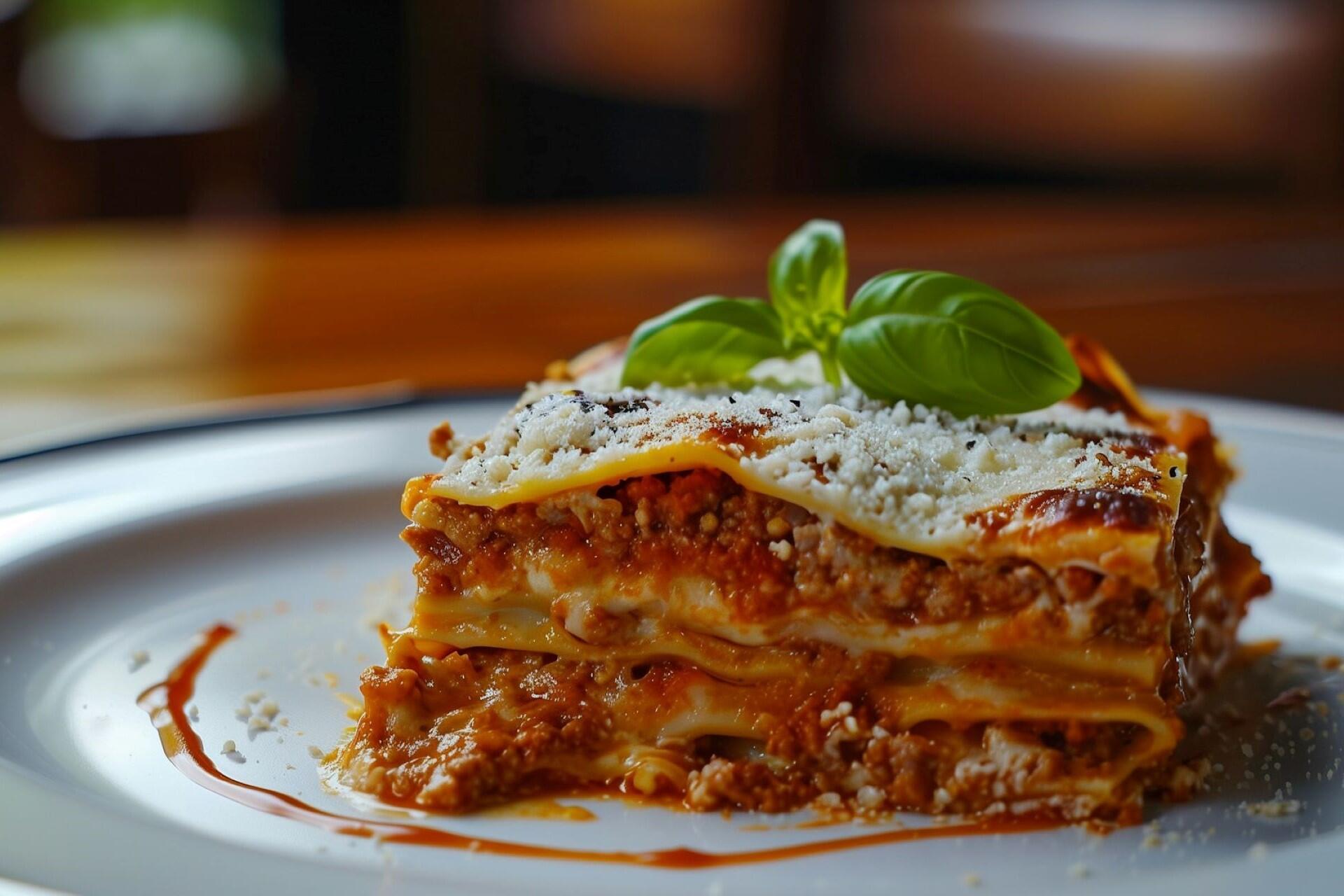
Italian cuisine is popular all over the world. According to a YouGov survey of 25,000 people from 24 different countries, Italian food is the most popular. It’s hardly surprising when you think about it. Lasagne is made from lasagne sheets, minced beef, meat sauce, tomato sauce, white sauce or béchamel, and is layered on top of one another. While you can buy premade lasagne, the best lasagne is homemade with fresh ingredients. So why not learn how to make lasagne? Here’s what you need to know about making it.





Where Does Lasagne Come From?
Just like risotto, pasta carbonara, and pizza, lasagne is a typically Italian dish. But when was it invented? The first records of lasagnes date back to Antiquity when Greeks and Romans ate “Lagana”, thin slices of pasta cooked in boiling water. It was a bit like a pancake or pizza base. It wasn’t until much later that lasagnes started looking like they do today. In fact, in the 13th century, they were prepared in a namesake dish known as a “lasagna”. The Greek term “lasagna” referred to a cooking tripod.
To make lasagne, the Italians slid a filling between each slice. By alternating between pasta sheets and filling, the lasagne’s ancestor was born. At the time, it was filled with chicken, pork, or even fish. The meat was mixed with beaten eggs as well as the fish brine. The whole thing was cooked together.
There are also Arab dishes similar to lasagne that were cooked with thin pasta sheets. These were called “lauzina”. Some believe that these two words are at the origin of the name lasagne. After the 13th century, the cheese started appearing in lasagnes. Once the pasta changed, the way lasagnes were made also changed drastically.
The most popular lasagne recipe originated in Bologna. The bolognese sauce, made from tomatoes, cheese, and minced meat, became popular all over the world. This is generally the type of sauce you’ll find in premade lasagnes all over the word. Discover some easy recipes for beginners.
Easy Lasagne Recipe: Classic Lasagne Bolognese
To get a lasagne bolognese recipe right, you need the right ingredients. Here’s how you can easily make your lasagne.
Main Lasagne Ingredients
- Lasagne sheets
- 350 g minced beef
- 600 g bolognese sauce
- 1 onion, finely chopped
- 100 g grated cheese (mozzarella, Parmesan, or Parmigiano Reggiano)
- Olive oil, for cooking
Béchamel Sauce
- 500 ml milk
- 2 large tablespoons plain flour
- 125 g butter
- Salt and pepper, to taste
A watery lasagne is one of the most common mistakes beginners make. To avoid this, make sure your meat sauce is cooked until most of the excess liquid has evaporated before assembling the dish. If your sauce looks thin, simmer it uncovered for a few extra minutes to help it reduce.
Using too much béchamel can also make the lasagne soggy. Spread it thinly and evenly between layers rather than pouring it all in at once. Letting the lasagne rest for 10 minutes after baking will also help it firm up before serving.
Start by chopping the onion and lightly cooking it in some olive oil. Before it browns, add all of the minced beef to the pan. Let it all cook on a high heat, making sure you don’t burn the onions. Add the bolognese sauce (you can buy this in most shops).
Now we can move on to making the bechamel. To do this, melt the butter in a pot. Once melted, add the two tablespoons of flour and mix with a whisk. Pay attention because you need to do this quickly. Keep the milk beside you, as you will need to add it to the mix gradually. Keep stirring as you slowly add the milk to the mix; you don’t want any lumps. Mix until it starts to thicken. Once your bechamel is ready, add it to the meat and bolognese sauce.
Correct layering is key to a well-structured lasagne. Always start with a thin layer of sauce on the bottom of the dish to stop the pasta sheets from sticking or drying out. Follow this with pasta sheets, then sauce, then a light layer of béchamel, repeating until all ingredients are used.
Make sure the final layer is sauce and béchamel, not pasta. This prevents the top from becoming hard or chewy in the oven and allows the cheese to melt evenly into a golden topping.
Now you need to put everything together. Make sure you have a suitable baking dish or lasagne pan. Add a layer of the sauce and bechamel to the bottom of the dish. Cover with a lasagne sheet. Repeat these steps until you’ve no sauce left. Make sure the last layer is sauce, not pasta.
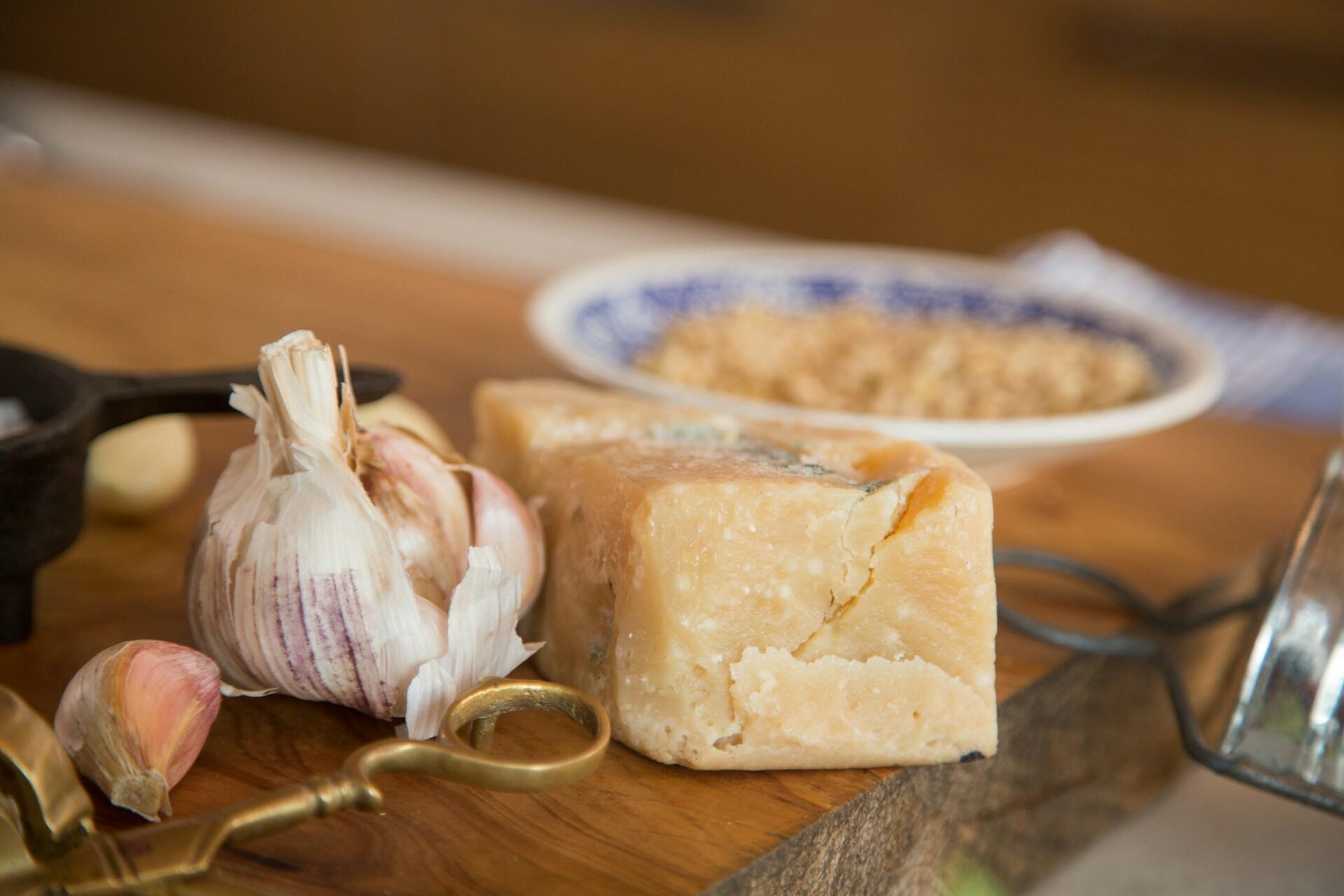
Add the grated cheese to the top of the dish, then bake it in the oven for about 45 minutes at 180°C. Generally, Italian food is better with Italian cheese, so make sure you're always stocked up with mozzarella cheese, Parmesan, Parmigiano Reggiano, etc. To check that it’s ready, stick a knife into your lasagne. The lasagne sheets should be soft.
Lasagne should be baked long enough for the pasta sheets to soften and the flavours to combine, but not so long that it dries out. Baking at 180°C for around 45 minutes is ideal for most home ovens. If the top starts to brown too quickly, loosely cover it with foil for the final 10 to 15 minutes.
Once baked, remove the lasagne from the oven and let it rest for at least 10 minutes before cutting. This allows the layers to set and makes serving much easier.
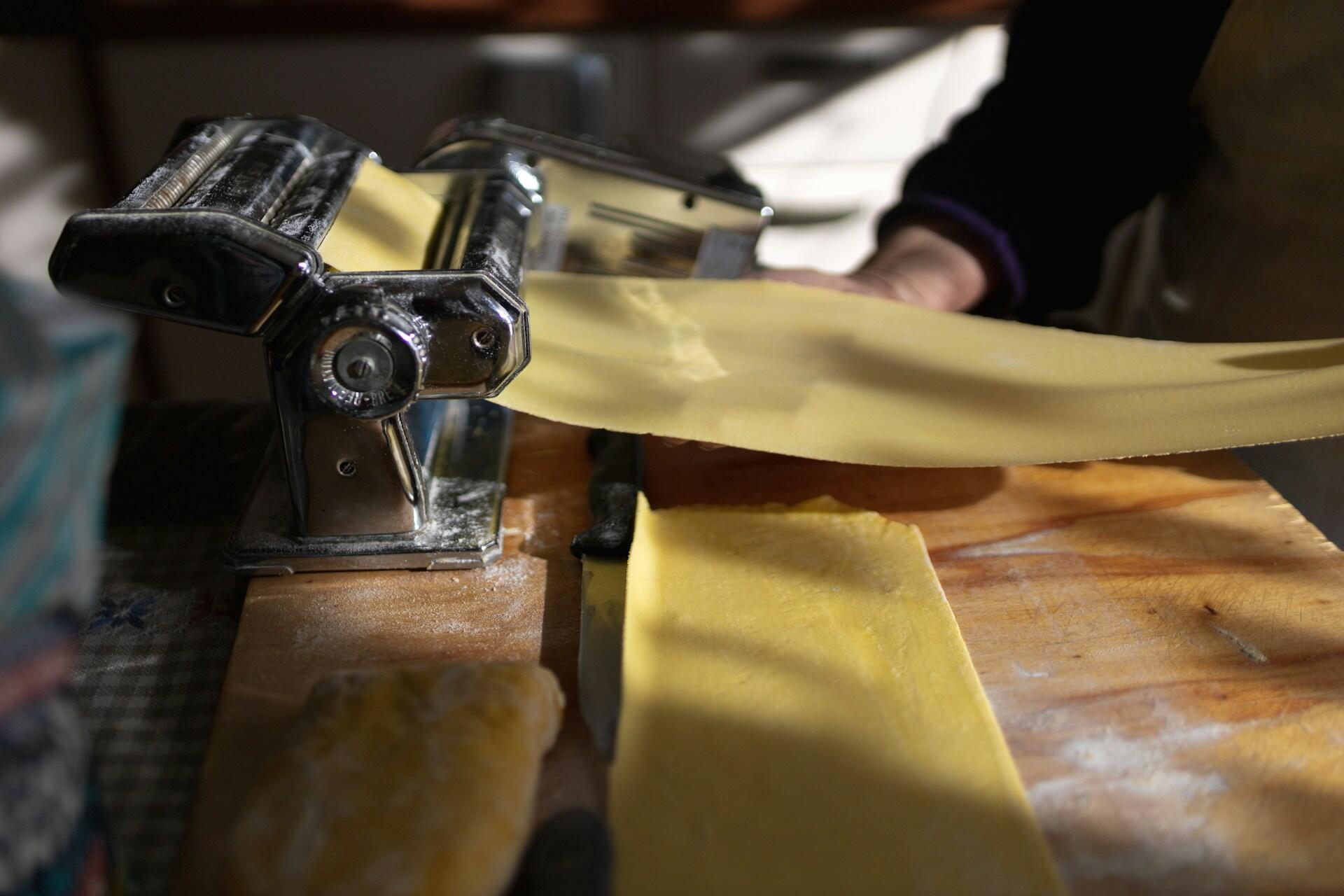
So, how can you make your pasta? Making pasta might seem difficult. However, the recipe is relatively simple. You need a pasta maker to help you. If you’re patient, here’s how you can make your lasagne sheets.
A pasta maker is a special tool used to flatten lasagne sheets (or other types of pasta).
You can get them for around NZ$60 to NZ$120 online. It’s pretty simple. You need a few ingredients:
- 300g of flour
- 3 eggs
- A pinch of salt
- A tablespoon of olive oil
In a large mixing bowl, mix the flour with the eggs and olive oil. Add the salt. Mix until you get a homogeneous batter. It shouldn’t stick. If it does, add a bit more flour.
Once you’ve made the dough, roll it into a ball and let it sit for half an hour. Split the dough into smaller pieces. Pass each piece through the pasta maker. Bit by bit, adjust the pasta maker until you’re making excellent sheets. Once you’ve done this, you need to dry the pasta. You can do this on the handle of a wooden spoon, for example. Once you’ve finished the sheets, you can use them in the recipe mentioned above. Learn how to make a poulet basquaise.

- Cook the onion and beef: Soften the chopped onion in olive oil, then add the minced beef and cook until browned.
- Add the bolognese sauce: Stir in the bolognese sauce and simmer briefly to thicken slightly.
- Make the béchamel: Melt the butter, whisk in the flour, then gradually add the milk, stirring until smooth and thick.
- Preheat and prepare: Preheat the oven to 180°C and lightly grease a baking dish.
- Layer the lasagne: Add sauce, lasagne sheets, and béchamel in layers, finishing with sauce on top.
- Add cheese: Sprinkle grated cheese evenly over the final layer.
- Bake: Bake for about 45 minutes until bubbling and golden.
- Rest and serve: Leave to rest for 10 minutes before slicing.
Different Types of Lasagne You Can Make
Lasagne bolognese isn’t the only type of lasagne. While this is the most common way, there are plenty of other ways to make lasagne.
Lasagne sheets can be used in several different recipes. While the basic recipe is the same, you can add ingredients like spinach, for example. This is usually the case if you’ve got a green lasagne. You can also have them with mushrooms, curry, etc. In terms of the filling, there are plenty of recipes for vegetarian lasagnes, for example. To make vegetarian lasagne, replace the meat with vegetables such as leeks, tomatoes, courgettes, etc. There are plenty of vegetables that work well with bechamel. They’re delicious even if you’re not vegetarian. You can also make lasagne with goat’s cheese and pesto, spinach and ricotta, mushrooms, and even chocolate! Learn how to make ratatouille.
to rest before you slice it.
How to Learn How to Make Lasagne Like a Pro
To learn how to make homemade lasagne, you can practise yourself. Lasagne recipes aren’t that complicated, even if you make your pasta. You need to invest in a pasta maker.

Lasagne stores exceptionally well, making it ideal for batch cooking and leftovers. Once cooled, cover the dish tightly and keep it in the fridge for up to three days. To reheat, place a portion in the oven at 160°C until warmed through, or use the microwave for convenience.
Lasagne can also be frozen either before or after baking. Wrap it well in foil or place it in an airtight container to prevent freezer burn. When reheating from frozen, defrost overnight in the fridge if possible, then bake until hot all the way through. Proper storage helps maintain texture and flavour.
You can also learn to cook in restaurants. There are restaurants and cooking schools that offer cooking classes. You could always get advice from a professional chef by attending cooking classes. You might want to consider getting in touch with a private cooking tutor who specialises in Italian cuisine. In addition to learning how to make lasagne, you can also learn how to make your pizzas or risotto. You have to go for it! You could also learn how to make couscous.
If you'd like to learn more about cooking or learn how to cook, consider learning with a private tutor on Superprof. No matter where you are, you can find a private tutor to help you. On the platform, there are three types of tutorials: face-to-face, online, and group.
Face-to-face private tutorials involve just the student and the tutor, ensuring that the student has the tutor's undivided attention. Additionally, the tutor will tailor their lessons and course to the student. Of course, the tutor's time comes at a price, and while these tutorials are the most cost-effective, they are also the most expensive per hour.
If you're looking for something cheaper, there are online private tutorials. These tutorials are provided remotely via webcam, and as long as both you and the tutor have a decent internet connection, a webcam, and a microphone, you can get tutorials from tutors all over the world.
Finally, you can also get group tutorials. Since each student pays their share of the tutor's time, these tend to work out cheaper than any other type of tutorials. Of course, you won't get the tutor's undivided attention like you would with the different types of tutorials. That said, if you and a group of friends all would like to learn how to cook, this is a great way to do it.
Before you choose a private tutor, define your objectives, your budget, and how you like to learn. This will help you work out the best type of tutorial and, most importantly, the best tutor. Keep in mind that many tutors offer the first hour for free, so you can use this time to get to know your potential tutor.
Summarise with AI:
Did you like this article? Leave a rating!

 Loading...