


Couscous is a staple in many North African cuisines, but it's gone global and captured the attention of food lovers worldwide. While often mistaken for a grain, couscous is essentially pasta made from durum wheat semolina rolled into tiny granules.
It's simple, versatile, quick to prepare, and a fantastic base for hot and cold dishes. Whether you have it in a stew or a salad, its ability to adapt to different dishes and cuisines makes it a great ingredient.
Though it's popular in Morocco, Tunisia, Algeria, and Libya, where it's served in large dishes and shared among family or guests, you can now find it in shops worldwide or make it yourself.





The History and Heritage of Couscous
Understandably, the story of couscous begins in North Africa. Couscous traces its origins as far back as the 11th century in the Kabylie region of Algeria, where the indigenous Berbers began making it from durum wheat.
The word couscous is thought to come from the Berber term k'seksu, which can refer to both the wheat granules and the finished dish.
Couscous quickly became a staple in the Maghreb region, especially in Algeria, Tunisia, Morocco, and Libya. Trade and migration helped couscous travel, and this humble yet nourishing food became increasingly prevalent.
With the French colonisation of Algeria in the 19th century, couscous started making its way into French kitchens, though sources suggest it was already in Europe before this.
Renaissance writer François Rabelais, for example, mentioned something like couscous in the 16th century.
It's a great ingredient for simple recipes, which is probably why it became so popular. Its popularity in Europe surged in the 20th century, particularly in France, where Algerian immigrants particularly enjoyed it. However, it quickly became popular outside of the Algerian diaspora in France, too!
Types of Couscous: From Traditional to Trendy
There are several types of couscous, each offering its texture, flavour profile, and uses. Understanding the variations of couscous can help you use the right type for your dishes.
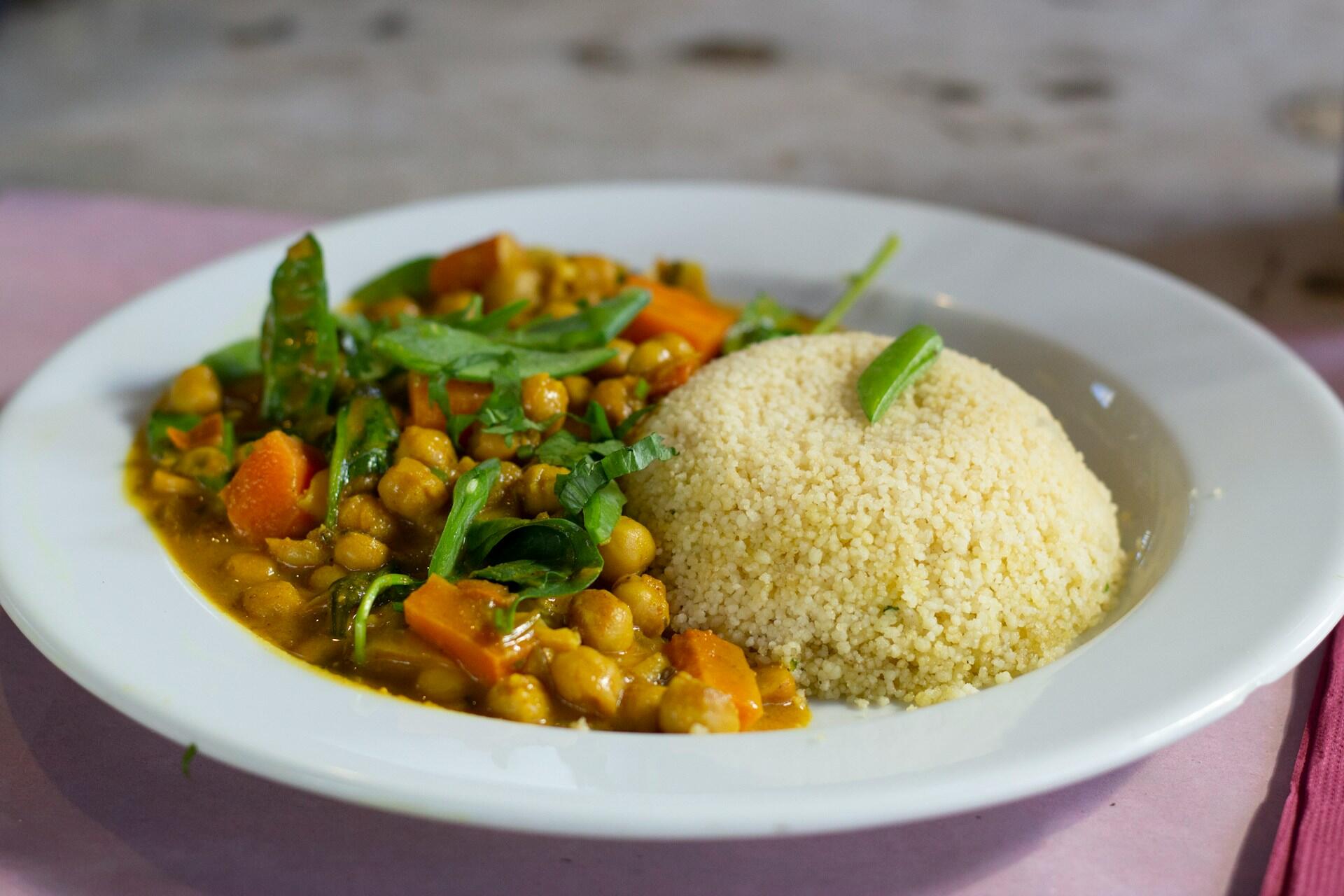
Traditional Fine Couscous
The most common type of couscous is the fine and powdery type. Once steamed or rehydrated with hot water, it becomes light and fluffy.
- Moroccan chicken tagine
- Vegetable stew with broth
- Simple side with olive oil, lemon, and herbs
Medium and Coarse Couscous
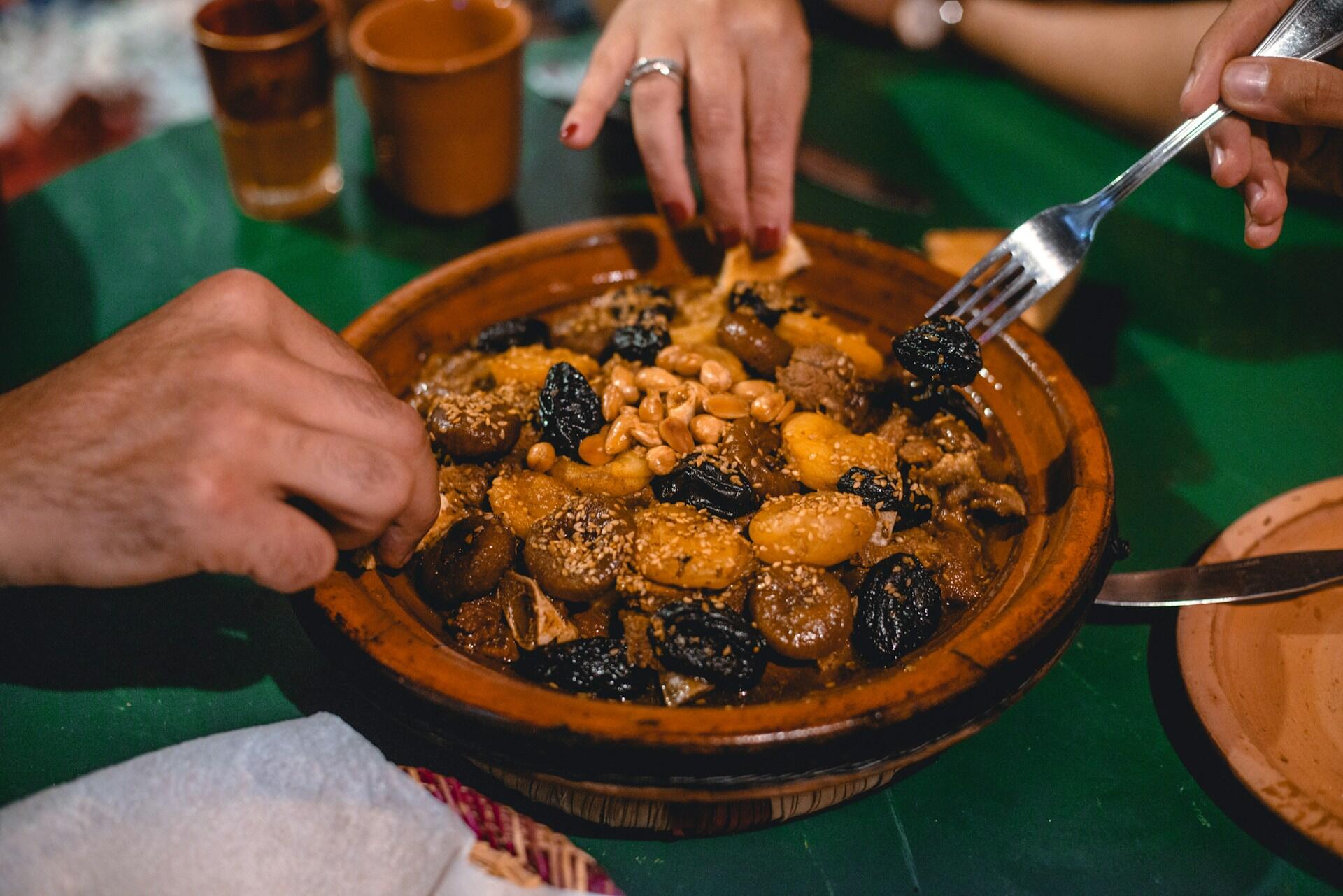
These types of couscous offer a chewier texture. They're particularly popular in some areas of North Africa, where they're used for dishes with longer cooking times or heavier sauces.
- Algerian lamb stew
- Spiced tomato and chickpea couscous
- Slow-braised vegetable couscous
Hungry already? Enjoy this recipe.
Pearl Couscous (Israeli Couscous)
Pearl couscous is more like pasta than couscous. These small, round balls are toasted with a nutty flavour and chewy texture.
Pearl couscous holds its shape well and is excellent for warm salads or a side dish to grilled meats and fish.
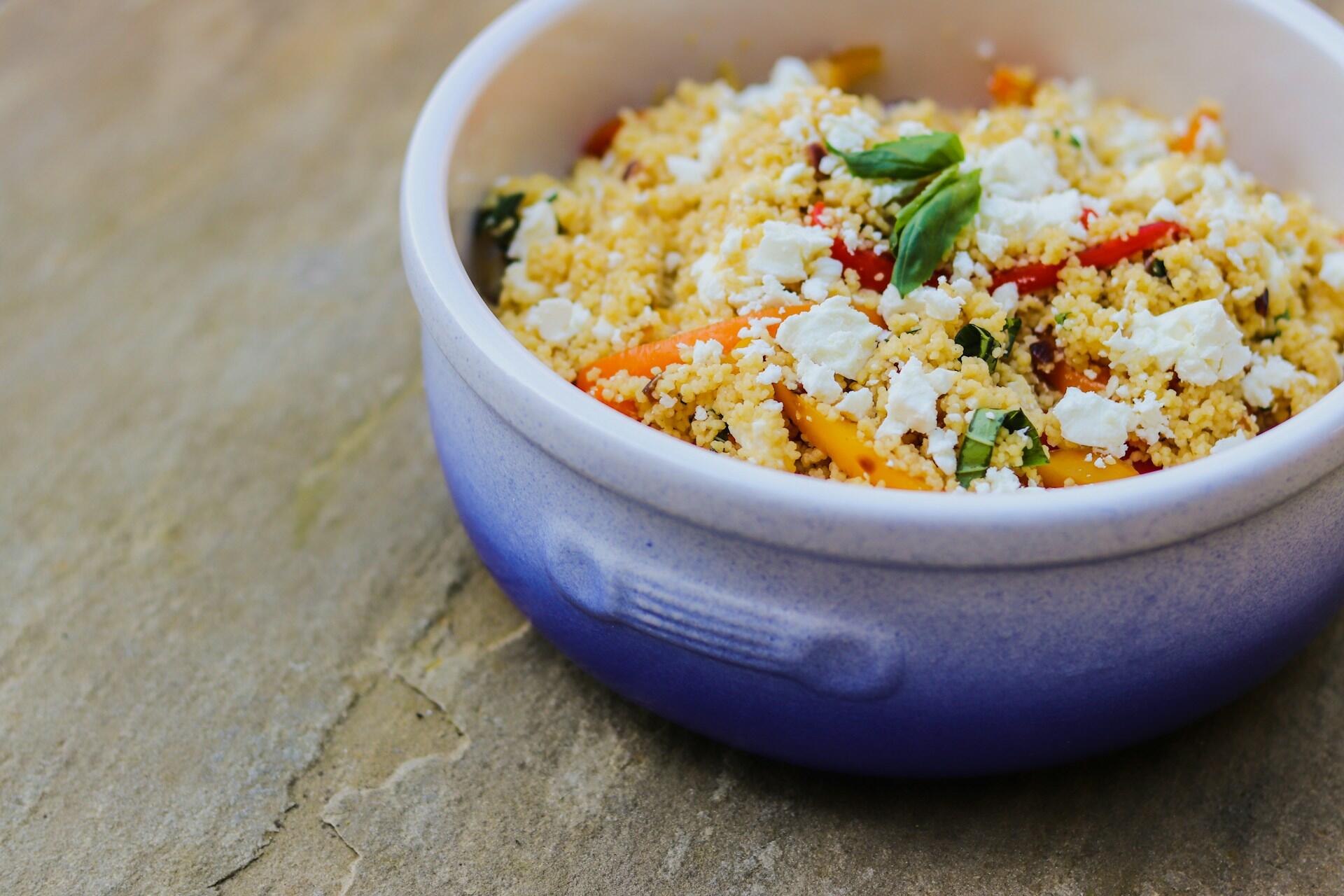
- Couscous salad with roasted vegetables and feta
- Sautéed pearl couscous with mushrooms and garlic
- Warm citrus couscous with seafood
Despite its appearance, couscous is technically a type of pasta made from crushed semolina wheat, not a grain like rice or quinoa.
Lebanese Couscous (Moghrabieh)
Lebanese couscous is even bigger than pearl couscous and resembles chickpeas. It's often slow-cooked with broth, spices, and protein, making it ideal for stew-like dishes.
- Chicken moghrabieh stew
- Braised lamb with caramelised onions
- Spiced chickpea and broth soup
Whole Wheat and Gluten-Free Couscous
Whole wheat couscous has more fibre and a nuttier taste. For coeliacs and those sensitive to gluten, there are also gluten-free options made from corn, rice, or quinoa.
- High-fibre couscous salad bowls
- Vegetarian couscous with grilled vegetables
- Gluten-free tabbouleh with mint and cucumber
Nutritional Benefits of Couscous
Couscous isn't just delicious and quick and easy to make, it's comes with nutritional benefits, making it a smart addition to lots of meals. It's often compared to rice or pasta, buyt it's a relatively low-calorie grain alternative and goes great with dishes like ratatouille, which is also healthy.

1. A Good Source of Selenium
Couscous is rich in selenium, a powerful antioxidant that supports immune function and protects cells from damage. Selenium also helps with thyroid health and inflammation reduction.
2. Low in Fat, High in Energy
Plain couscous is naturally low in fat, making it a healthy base for hearty and light meals. It's a carbohydrate-rich food that provides steady energy and is beneficial for active lifestyles or as part of a pre-workout meal.
3. Plant-Based Protein
While not as protein-packed as legumes or meat, couscous contains a decent amount of plant-based protein, especially from whole wheat. Pair it with chickpeas, lentils, or grilled chicken to create a protein-rich meal.
4. Fibre in Whole Wheat Versions
Whole wheat couscous offers more fibre than its refined counterpart. This extra fibre supports digestion, helps maintain healthy blood sugar levels, and keeps you feeling fuller for longer.
5. Easy to Digest
Thanks to its fine texture, couscous is easy on the digestive system. It’s a gentle option for people recovering from illness or those with sensitive stomachs, particularly when served plain or with steamed vegetables.
Enjoy this Turkish-style couscous salad recipe.
How to Cook Couscous: The Basic Method
If you want to cook couscous, it's one of the easiest and quickest foods.
Using the steamed method, couscous can be ready to serve in as little as five minutes with no boiling required!
What You'll Need:
- 1 cup couscous
- 1 cup water, stock, or broth
- 1 tablespoon olive oil or butter
- ½ teaspoon salt
- A pot with a lid
- A fork (for fluffing)
Cooking Steps
Step 1
Boil the Liquid
Bring 1 cup of water or stock to a boil in a medium pot. Add the salt and olive oil (or butter) to enhance the flavour.
Step 2
Add the Couscous
Once boiling, remove the pot from the heat. Stir in the dry couscous, cover with a tight-fitting lid, and let it sit for 5 minutes. The couscous will absorb the liquid as it steams.
Step 3
Fluff and Serve
After 5 minutes, uncover and fluff the couscous with a fork. This helps separate the grains and creates the ideal soft but not sticky texture.
Quick Tips
- Use chicken broth or vegetable stock instead of water for more flavour.
- For extra character, stir in fresh herbs, lemon juice, or a pinch of cumin.
- Add a drizzle of extra virgin olive oil to bring everything together.
How to Cook Couscous NZ Style
How about a recipe that blends the North African staple of couscous with a bit of Kiwi flair? Here's how you can combine fresh local ingredients with this excellent ingredient. Of course, if you'd like something heartier, you could always make a lasagna.
NZ-Style Couscous with Roasted Vegetables and Lamb
Ingredients:
- 1 cup couscous
- 1 cup vegetable or chicken stock
- 1 tbsp olive oil
- ½ tsp salt
- 1 courgette, chopped
- 1 red capsicum, sliced
- 1 red onion, quartered
- 200g lamb backstrap or leg steak
- Fresh mint and parsley, chopped
- Juice of ½ lemon
Cooking Steps
Step 1
Roast the Vegetables and Cook the Lamb
Toss the chopped courgette, capsicum, and onion in olive oil, salt, and pepper. Roast them at 200°C for 20–25 minutes. Meanwhile, grill or pan-sear the lamb to your preferred doneness. Once cooked, let it rest before slicing.
Step 2
Prepare the Couscous
Bring the stock to a boil in a pot. Remove from the heat, stir in the couscous, cover tightly, and let it sit for 5 minutes to absorb the liquid.
Step 3
Combine and Serve
Fluff the couscous with a fork. Add a splash of olive oil, lemon juice, and chopped herbs. Stir through the roasted vegetables and top with sliced lamb.
Serving Tip
For a vegetarian twist, swap lamb for grilled halloumi or marinated tofu. Add toasted pine nuts or crumbled feta for a texture and flavour boost.
Tips and Tricks for Perfect Couscous Every Time
If you're learning to cook couscous, you can use a few of these techniques to ensure that your dishes, like your poulet basquaise (great with couscous!), are next level!
Use Stock or Broth Instead of Water
Plain water works, but vegetable, chicken, or beef stock adds much more flavour. For a subtle aromatic lift, you can even add a bay leaf or a clove of garlic to the boiling liquid.
Toast the Couscous for Extra Depth
Before adding water or broth, lightly toast the couscous in a dry pan for 2–3 minutes until it smells nutty. This works exceptionally well with pearl couscous and adds a richer, more complex base note.
Let It Steam. Don’t Boil
For traditional couscous (not pearl), the golden rule is don't cook it like pasta. Pour hot liquid over dry couscous, cover, and let it steam. No boiling is needed. This ensures it stays fluffy, not soggy.
Fluff with a Fork, Never Stir with a Spoon
Once the couscous has absorbed all the liquid, fluff gently with a fork. A spoon can mash or clump the grains lightly, while a fork separates them.
Don’t Overdo the Liquid
Stick to the 1:1 ratio. 1 cup liquid per 1 cup of couscous unless your packaging specifies otherwise. Too much liquid will make the couscous sticky or mushy.
Dress It While Warm
Adding olive oil, butter, lemon juice, or fresh herbs while the couscous is still warm helps the ingredients absorb better and enhances the overall flavour.
Store it Dry, Serve it Fresh
Couscous is best served freshly cooked. If you're prepping in advance, fluff it once cooled and keep it uncovered in the fridge to avoid condensation. Reheat with a splash of water or broth to revive its texture.
Summarise with AI:
Did you like this article? Leave a rating!

 Loading...
