

He taonga rongonui te aroha ki te tangata. Goodwill towards others is a precious treasure.
Whakataukī
Whakataukī (traditional Māori proverbs) are powerful because of how they turn larger social truths into small, shareable lines. In te reo Māori (the Māori language), imagery often employs collective ideas, such as a waka (canoe) that carries many people, a kete (basket) that requires multiple hands to be lifted, or two kīwai (handles) that only work when both are held. Teamwork is tangible; something you can point to, repeat, and live.
| Maori Proverb | English Gloss | Theme | Suggested Use |
|---|---|---|---|
| Nāu te rourou, nāku te rourou, ka ora ai te iwi | With your food basket and my food basket, the people will thrive. | Collaboration / Sharing | Start meetings by naming contributions each person will bring. |
| He waka eke noa | We are all in the same canoe (no one is left behind). | Unity / Shared Effort | Set team rules for one goal, shared risk, shared credit. |
| Ko koe ki tēnā, ko ahau ki tēnei kīwai o te kete | You take that handle of the basket, I’ll take this one. | Roles / Interdependence | Define paired roles; name who holds each handle of the task. |
| Mā mua ka kite a muri, mā muri ka ora a mua | Those in front give sight to those behind; those behind give life to those ahead. | Mentorship / Reciprocity | Rotate lead and support roles so learning flows both ways. |
| Waiho i te toipoto, kaua i te toiroa | Let us keep close together, not far apart. | Closeness / Cooperation | Reduce hand-offs; use shared docs and co-working to stay close. |
| He moana pukepuke e ekengia e te waka | A choppy sea can be navigated by the canoe. | Resilience / Teamwork | In crunch times, shorten stand-ups and own risk together. |
| Mō tātou, ā, mō ngā uri ā muri ake nei | For us, and for the descendants after us. | Future Generations / Legacy | Add a 'future impact' line to proposals and plans. |
| Ehara taku toa i te toa takitahi, engari he toa takitini | My strength is not that of an individual, but that of many. | Collective Strength | Replace hero metrics with team metrics; celebrate squads. |
| Mā te mahi tahi ka ea ngā mahi | Through working together, the tasks are accomplished. | Teamwork / Completion | Build checklists that require all roles to sign off in sequence. |
| Whiria te tāngata | Weave the people together. | Relationships / Unity | Map relationships like a weave; plan deliberate 'weaving' moments. |


10 Whakataukī for Teamwork and Community
In the Māori worldview, the strength of whānau (family), hapū (sub-tribe), and iwi (tribe) are at the heart of success. We're reminded that outcomes are better when contributions are shared, roles are complementary, and knowledge flows. Humility and responsibility have to be balanced.
Waka (canoe): shared journey, mutual commitment.
Kete (basket): pooled knowledge/resources.
Kīwai (handles): interdependent roles; both sides needed.
Moana (ocean): challenges we navigate together.
Nāu te rourou, nāku te rourou, ka ora ai te iwi
With your food basket and my food basket, the people will thrive.
How to use it: Start meetings by naming one contribution each person will bring to the shared kete (basket). Track individual rourou (food basket) items on your board so the iwi (tribe/community) outcome is visible.
He waka eke noa
We are all in the same canoe (no one is left behind).
How to use it: When work crosses teams, agree the “same-waka (canoe)” rules: one goal, shared risk, shared success; decisions and credit travel together.
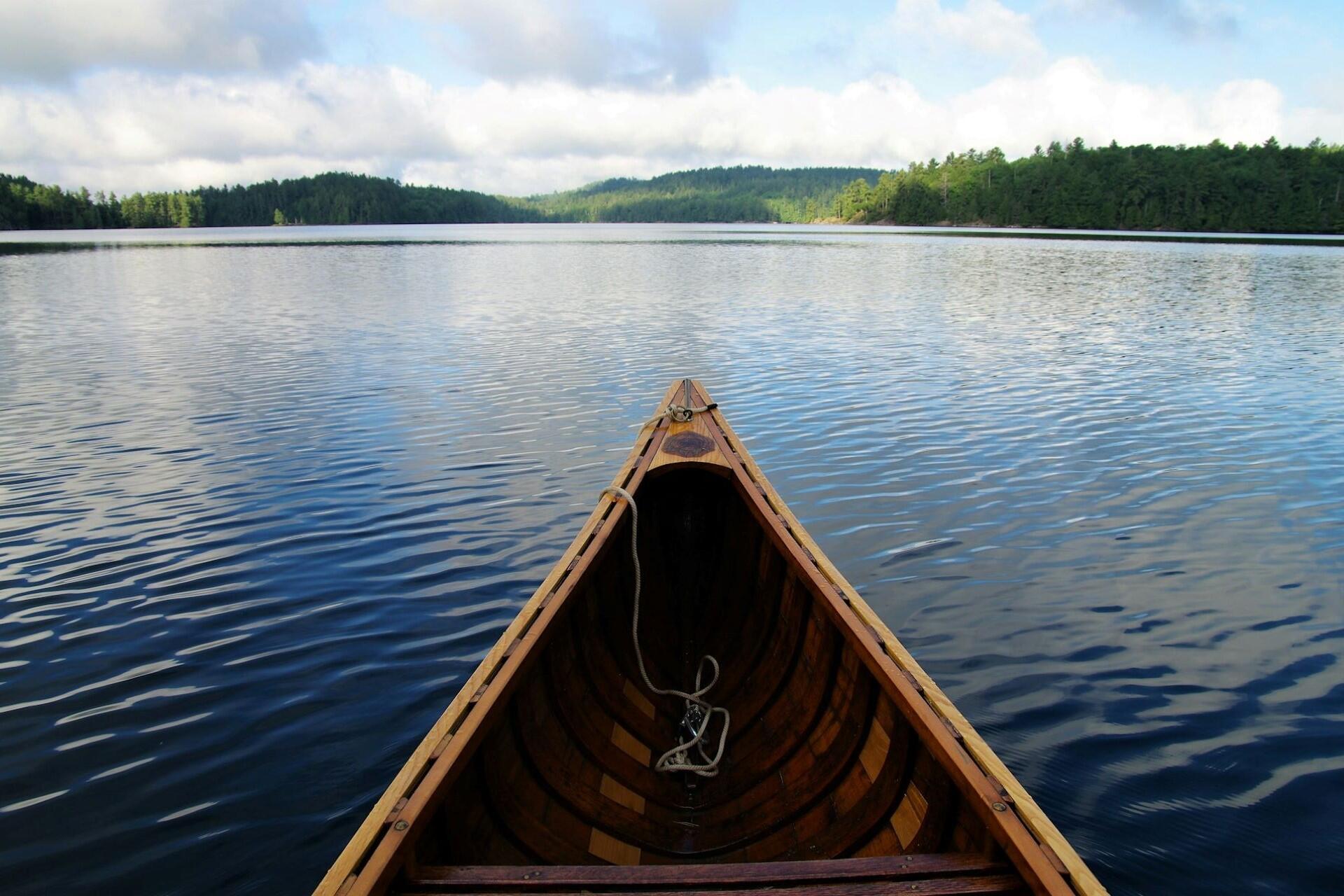
Ko koe ki tēnā, ko ahau ki tēnei kīwai o te kete
You take that handle of the basket, I’ll take this one.
How to use it: Define paired roles. For each deliverable, list the two kīwai (handles) and name who holds each; both must be held for the kete (basket) to lift.
Mā mua ka kite a muri, mā muri ka ora a mua
Those in front give sight to those behind; those behind give life to those ahead.
How to use it: Rotate “lead” and “shadow” roles so learning flows both ways; a junior leads the demo while a senior supports, then swap next sprint. This is a good saying about growth, too.
Waiho i te toipoto, kaua i te toiroa
Let us keep close together, not far apart.
How to use it: Reduce hand-offs: colocate work in a shared doc and run 15-minute co-working blocks to stay toipoto (close) until the task is stable.
He moana pukepuke e ekengia e te waka
A choppy sea can be navigated by the canoe.
How to use it: In crunch times, shift to “storm mode”: shorter stand-ups, clearer signal channels, and one visible risk board the whole waka (canoe) owns across the moana (ocean) of moving parts.

Mō tātou, ā, mō ngā uri ā muri ake nei
For us, and for the descendants after us.
How to use it: Add a “future-impact” line to proposals: how does this choice serve tātou (all of us) now and the uri (descendants) who inherit it?
Ehara taku toa i te toa takitahi, engari he toa takitini
My strength is not that of an individual, but that of many.
How to use it: Replace hero metrics with team metrics; celebrate pairs/squads in shout-outs and portfolio reviews.
Mā te mahi tahi ka ea ngā mahi
Through working together, the tasks are accomplished.
How to use it: For cross-functional work, set one definition of ea (fulfilled/completed). Build checklists that require each role to tick in sequence—true mahi tahi (working together).
Whiria te tāngata
Weave the people together.
How to use it: Map relationships like a weave: list stakeholders, show the strands (interests/needs), and plan deliberate “weaving” moments—shared food, co-design, joint retros—to bind the pattern across tāngata (people).
of New Zealanders reported volunteering in the last four weeks.
Build a he waka eke noa culture in 5 steps
You can turn the idea of collective effort into a daily practice. Build a culture of he waka eke noa (we're all in the same canoe) with friends or even look to teachings specific to families. Align on a clear kaupapa (purpose), agree on a few rules that everyone can follow, and practise regular whakawhanaungatanga (relationship-building), making manaakitanga (care/hospitality) visible in how you work, and checking the team’s mauri (life force) at the end of each cycle so you can keep what lifts energy and change what drains it.
1. Agree the kaupapa (purpose)
State the shared outcome in one sentence that everyone can repeat. Add how success for the iwi (tribe/community) will be measured, not just for individuals.
2. Set waka rules (canoe norms)
Write three simple norms that fit he waka eke noa (we’re in the same canoe): one goal, shared risk, shared credit. Anchor them to local tikanga (customs) so they make sense in your context.

3. Practise whakawhanaungatanga (relationship-building)
Schedule short kōrero (discussion) circles at the start of sprints to connect roles and expectations. Pair people who don’t usually work together; rotate monthly so the weave strengthens.
4. Embed manaakitanga (care/hospitality)
Make care visible: time for mentoring, generous reviews, and shared kai (food) at milestones. Open or close big moments with a brief karakia (prayer/ritual words) if appropriate to your setting.
5. Review the mauri (life force) of the team
End each cycle by checking energy, trust, and flow. Keep what lifts the mauri (life force); change what drains it. Re-commit to the kaupapa and refresh the waka rules for the next leg.
non-profit organisations.
Shared Delivery and Pronunciation in Groups
Make the sayings easy for everyone to say together. Here's a way to keep te reo Māori clear and respectful while building confidence across the rōpū (group).

Group reading flow (60–90 seconds)
- Reader 1 speaks the Māori line once, slowly, with tohu tohutō (macrons) marked.
- All repeat the line together (choral read).
- Reader 2 gives a one-sentence English gloss (no extra slogans).
- Reader 3 adds one line of context: when/how we’ll apply it today.
- Rotate roles next time so different tāngata (people) practise speaking.
Pronunciation quick wins
- Keep vowels long/short as written; macrons matter.
- Light, tapped r; ng as in singer; wh often like f.
- Keep the rhythm even; don’t rush the last word.
- If unsure, practise with a 10–15s ororongo (audio) clip in your doc.
Delivery tips
- Print the line with macrons big and clear; highlight any new kupu (kupu (word)).
- Pair confident speakers with tauira (learners) for support.
- Honour iwi and hapū variations—follow local tikanga (customs) if you’re on their marae (meeting place).
- Close big moments with a brief karakia (prayer/ritual words) if appropriate and explained.
Pick one teamwork proverb (e.g., He waka eke noa). Read, repeat, gloss, apply (“Today this means we share risk and credit on Project X”).
Using Whakataukī in Teams, Organisations, and Community Settings
Whakataukī are better as living guides, not as motivational posters. Ensure you use them in accurate te reo Māori, linking each one to real behaviours, timelines, and outcomes.
Where They Fit Naturally
Good practice (do’s)
What to avoid (don’ts)
Whakataukī about teamwork are taonga (treasures). Using them well means pairing words with action, respecting tikanga, sharing responsibility, and making care visible.
Simple Template: Copy It!
- Proverb
- English gloss
- Why now
- Behaviour we’ll do this week
- Who’s responsible
- How we’ll review
Measuring Impact
- Track one monthly example where the proverb changed a decision, improved a process, or strengthened relationships. Celebrate the behaviour, not the poster.
New to te reo Māori? Here are the basics.
Summarise with AI:
Did you like this article? Leave a rating!

 Loading...