
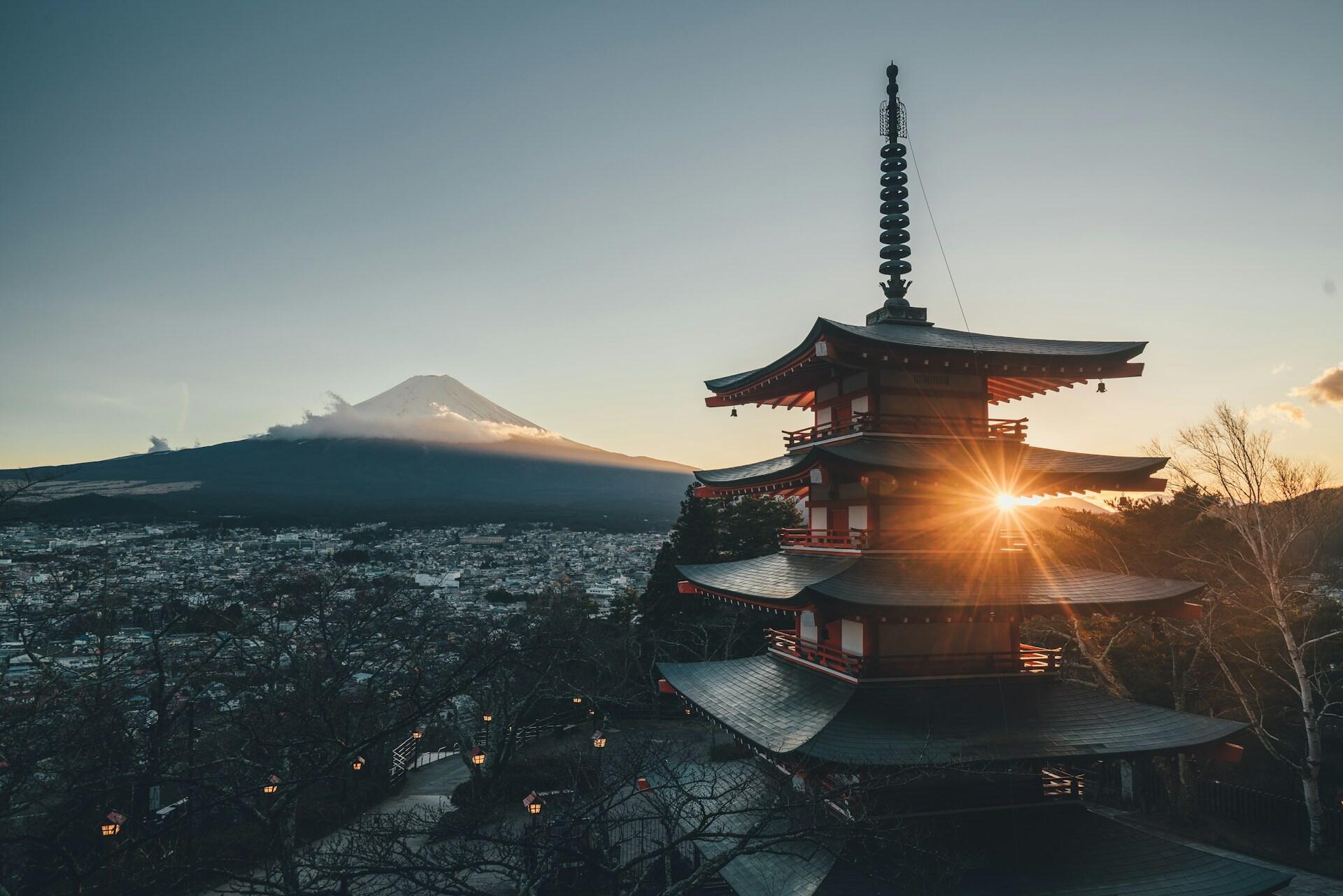

Japan is home to some of the world's largest and most dynamic cities. They are worth visiting for their rich history, modern innovation, and cultural heritage.
With over 125 million people living in the country, most of Japan's cities are densely populated and hubs of business, technology, cuisine, and tourism.
From Tokyo's skyscrapers to Kyoto's historic temples, there's something unique and unforgettable in each city. Whether you're interested in exploring ancient castles, eating world-famous street food, or experiencing cutting-edge technology, here's our guide to the country's biggest cities.


Tokyo: The Heart of Japan’s Capital
Tokyo is Japan's largest and most influential city. It is not only the nation's political, economic, and cultural centre but also the most popular tourist destination.
It's home to 14 million people in the city proper and 37 million in the Greater Tokyo Area, making it the largest metropolitan area in the world.
Tokyo was initially known as Edo, a small fishing village. In the 1600s, it became the centre of the Tokugawa Shogunate.
The capital was moved from Kyoto to Edo during the Meiji Restoration and renamed Tokyo, which means "Eastern Capital."
- Shogunate Era – Edo was a prosperous samurai stronghold, home to feudal lords and merchants.
- Meiji Restoration – Tokyo became the new capital and modernized rapidly.
- Post-War Rebirth – After WWII destruction, Tokyo was rebuilt into a futuristic metropolis, now a leader in technology, finance, and culture.
It's home to historic landmarks like the Senso-ji Temple, the Meiji Shrine, and The Imperial Palace.
Modern attractions include the Shibuya Crossing, the Tokyo Tower and Skytree, and Akihabara, a paradise for anime, gaming, and electronics fans.
Foodies can enjoy Tsukiji Outer Market, Ginza, or Shinjuku, too!
Yokohama: Japan’s Port City
Yokohama is the second-largest city in Japan. It is home to 3.7 million people and is located just south of Tokyo in the Kanagawa Prefecture.
Japan's biggest port city has long been a gateway for international trade and cultural exchange.
It was one of the first Japanese cities to open to foreign trade, and international influence is evident in the city's architecture, cuisine, and attractions.
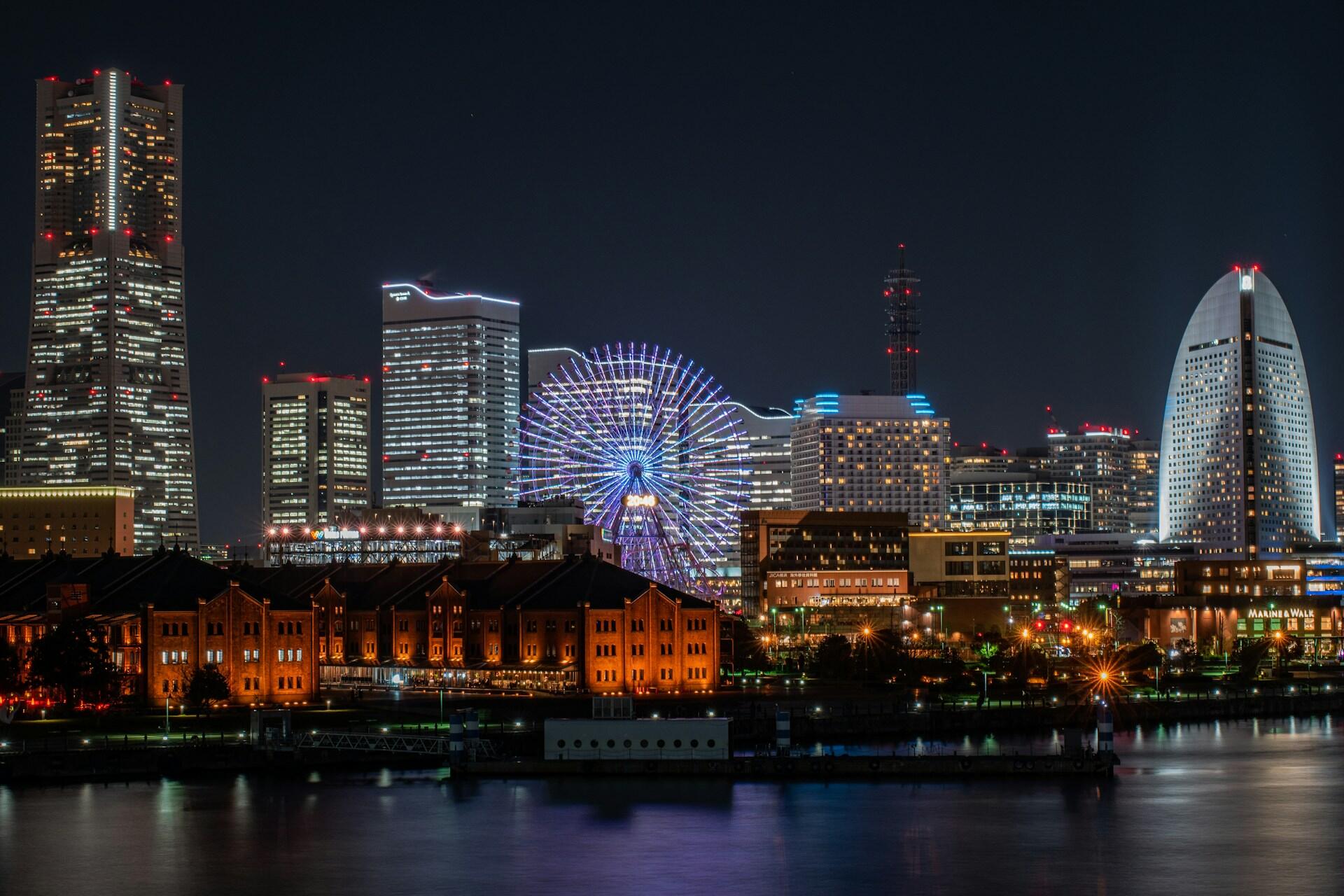
The Minato Mirai 21 waterfront district features skyscrapers, luxury shopping malls, and the Yokohama Landmark Tower, one of Japan's largest buildings.
The Sankeien Garden is a traditional Japanese garden with historic buildings and cherry blossoms.
Cosmo World is a popular amusement park with the Cosmo Clock 21 Ferris Wheel.
The rich history, diverse food scene, and mix of attractions make Yokohama a cosmopolitan must-see destination in Japan.
Osaka: Japan’s Food Capital
Osaka is Japan's third-largest city. It's a vibrant economic hub and culinary paradise. Home to around 2.7 million people, Osaka is located in the Kansai region along Osaka Bay. This makes the city a key commerce, culture, and entertainment centre.
It was historically the country's merchant capital and the centre of the rice trade during the Edo period. Today, it remains one of Japan's wealthiest and most dynamic cities.
Known as “Japan's Kitchen”, Osaka is famous for takoyaki (octopus balls), okonomiyaki (savoury pancakes), and kushikatsu (deep-fried skewers).
There are also historical and cultural landmarks like Osaka Castle, built in 1583.
Modern attractions include Universal Studios Japan, Umeda Sky Building, and the Shinsaibashi district for shopping.
Nagoya: The Industrial Powerhouse
With 2.3 million inhabitants, Nagoya is the fourth-largest city in Japan and has long been the economic and industrial hub of Aichi Prefecture.
It's located between Tokyo and Kyoto, and while often overlooked by tourists, it has a rich history and impressive modern infrastructure. It's a centre of automobile manufacturing and is home to Toyota's headquarters.
It's not just factories, though. There's Nagoya castle, built in 1612, Atsuta Shrine, one of Japan's most sacred Shinto shrines, and the Toyota Commemorative Museum of Industry and Technology for those car enthusiasts.
The food scene also features signature dishes like Tebasaki (spicy chicken wings), Histumabushi (grilled eel rice bowl), and Miso Katsu (pork cutlet with red miso sauce).
Nagashima Spa Land is a popular amusement park with roller coasters, and the Oasis 21 and Sakae District are futuristic shopping and entertainment districts.
Sapporo: The Northern Star of Hokkaido
Sapporo is the largest city in Hokkaido, with 1.9 million people living there. It has stunning winter landscapes, world-class skiing, and a great food scene.
It's the capital of Japan's northernmost island and offers a different experience to some of the more temperate cities elsewhere.
Sapporo is a relatively new city that developed in the late 19th century as Japan expanded into Hokkaido. This modern city features broad streets, Western-influenced architecture, and a strong connection to nature.
It's the birthplace of miso ramen and a great place to try Hokkaido crab, Jinhisukan (grilled lamb), and the city's famous Sapporo beer. If you love beer, you can also visit the Sapporo Beer Museum.
Historic landmarks include the Former Hokkaido Government Office or the clock tower, one of Japan's oldest Western-style buildings.
Kobe: Home of World-Famous Wagyu Beef
If you've heard of Kobe, you've likely heard of the beef. However, the city is the capital of Hyogo Prefecture and is a coastal city home to 1.5 million people.
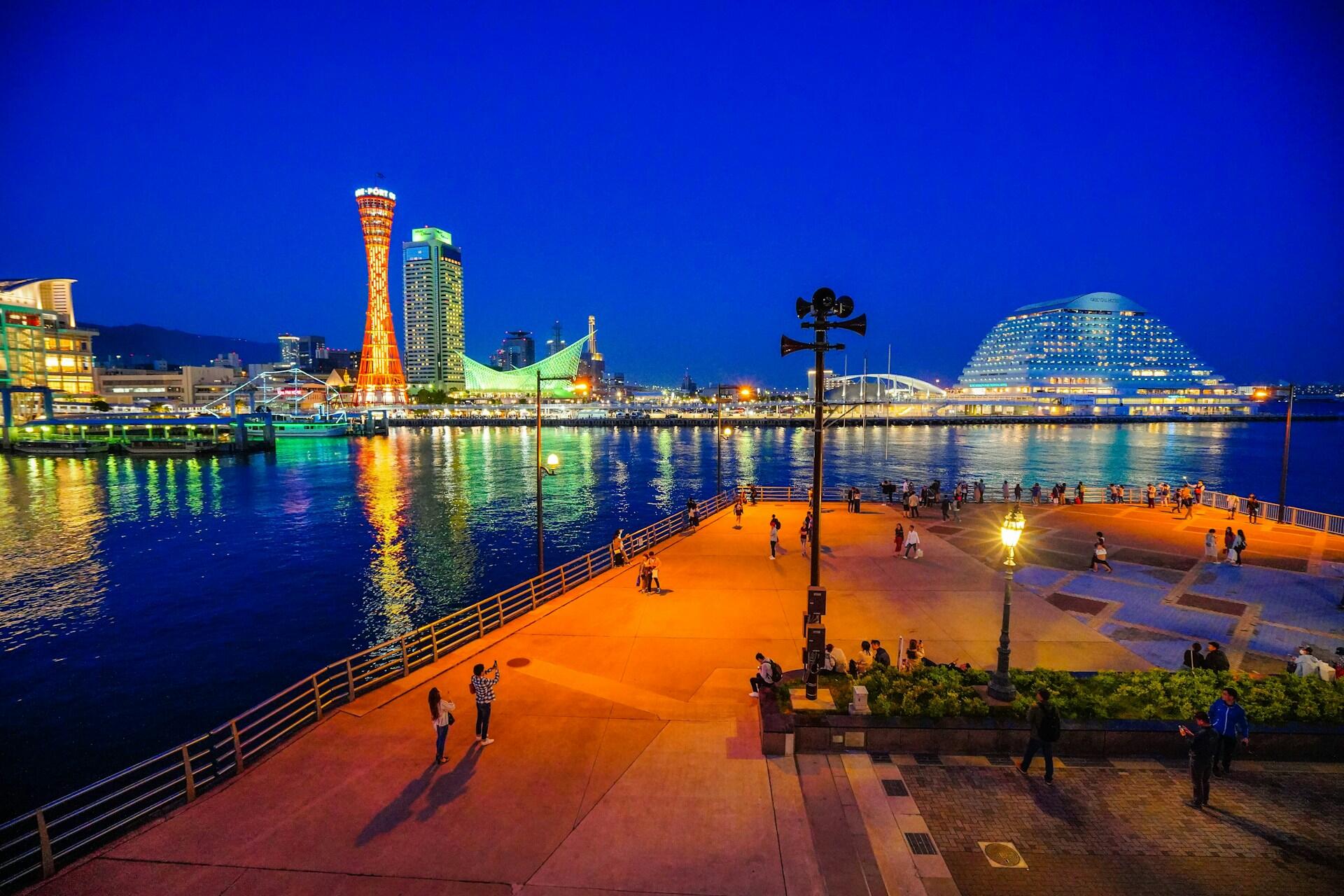
It has breathtaking harbour views between the Rokko Mountains and Osaka Bay.
In addition to the beef, it has a cosmopolitan atmosphere thanks to its rich history of trade, foreign influence, and cultural diversity.
If you eat meat, you have to try authentic Kobe beef, the luxurious, marbled Wagyu beef, which has a buttery texture and rich flavour. Restaurants in Sannomiya and Motomachi offer some of the best beef around.
The Nada district is famous for producing sake. Local, high-quality rice and pure water make sake tasting and tours here a must.
The nearby Mount Rokko is a wonderful spot for outdoor enthusiasts with scenic trails, panoramic city views, and hot spring resorts.
Kyoto: The Cultural and Historic Capital of Japan
While Kyoto is one of the biggest cities for tourists to visit, especially New Zealanders who don't need a visa as tourists, it's in seventh place in terms of population.
It was the capital of Japan for over 1,000 years (794-1868) before the government moved to Tokyo. The city has preserved its historical charm and is one of Japan's most visited destinations.
While in Kyoto, you can visit the Fushimi Inari Shine, the Kinkaku-ji (The Golden Pavilion), or the Kiyomizu-dera, a wonderful Buddhist temple.
There's also the Geisha District, Gion, where Japanese tea ceremonies are held, and Nijo Castle, a UNESCO World Heritage Site—one of 17 in the city!
Kyoto is a city that can be visited at any time of the year.
- Cherry blossoms in Maruyama Park and the Philosopher's Path are popular in spring.
- Summer hosts the massive Gion Matsuri festival with parades and performances.
- Autumn makes the Arashiyama Bamboo Forest and Tofuku-ji Temple look amazing.
- Winter is unbeatable if you want to see snow-covered temples.
Tokyo: Best for modern attractions, nightlife, anime, and cutting-edge technology.
Kyoto: Best for traditional culture, temples, geisha districts, and scenic beauty.
Both: Offer unforgettable experiences, so if possible, visit both!
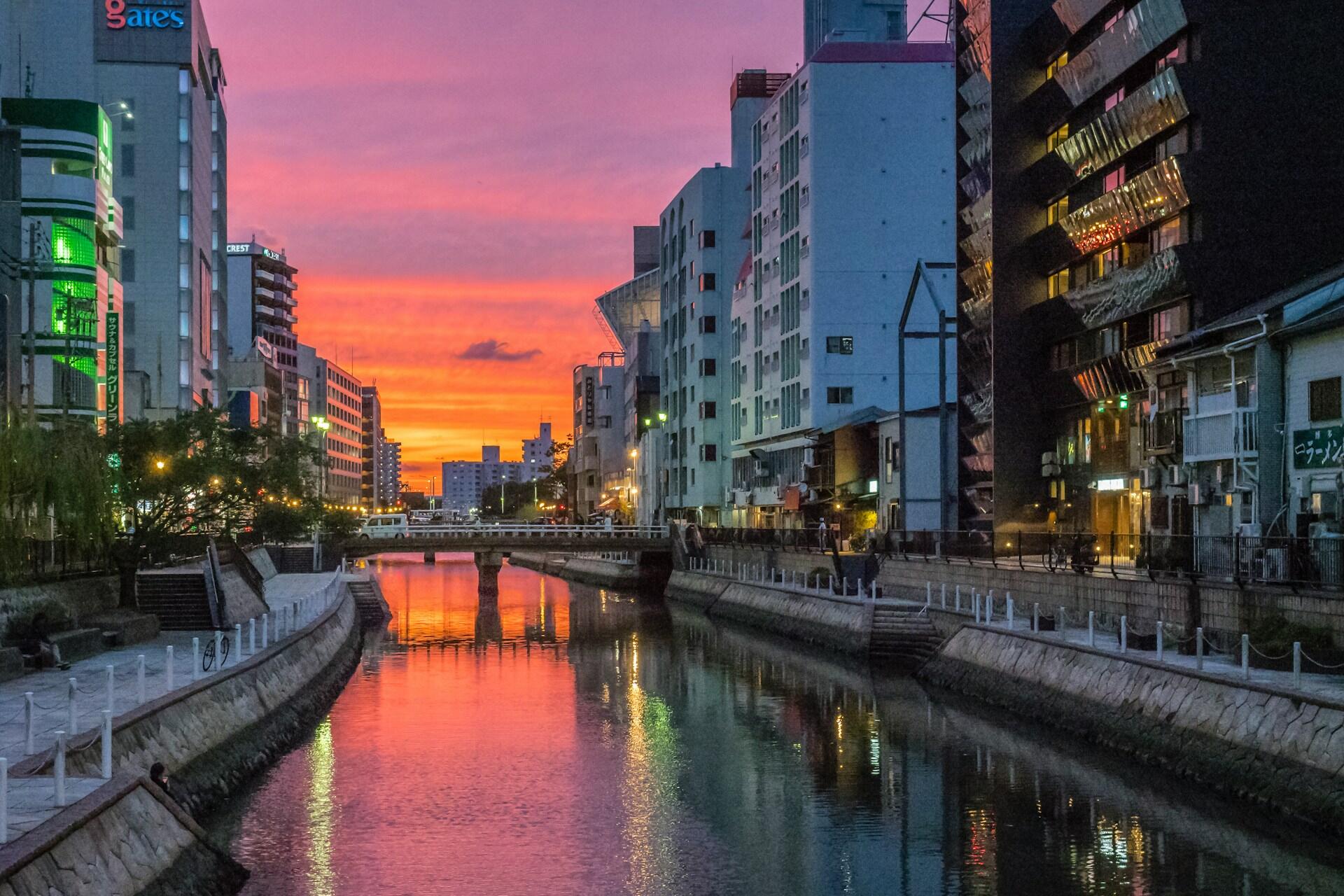
Fukuoka: The Gateway to Kyushu
Fukuoka is the largest city in Kyushu and one of Japan's fastest-growing urban centres.
Another city with a vibrant food scene, historical landmarks, and beautiful coastal views, Fukuoka blends tradition and modernity.
It's a major port city that has long welcomed culture, cuisine, and architecture from elsewhere in Asia.
If you go to Fukuoka, you can try yatai street food stalls offering ramen, yakitori, and tempura.
The Hakata Gion Yamakasa Festival is one of Japan's oldest festivals, including decorated floats.
The ruins of Fukuoka's 18th-century castle in Maizuru Park are also worth visiting, especially in spring when cherry blossoms bloom.
Fukuoka's mild climate, vibrant nightlife, and high quality of life make it often ranked as one of the most livable cities in Japan.
Hiroshima: A City of Peace and Resilience
When it comes to travel advice for Japan, this is another city that's often recommended. Hiroshima is home to 1.2 million people. It's likely known worldwide for its tragic history, inspiring recovery, and cultural significance. Located in western Honshu, it is now a symbol of peace, resilience, and hope.
When it became the first city in history to experience an atomic bombing on August 6th, 1945, Hiroshima started the long and arduous journey of healing and rebuilding itself into a modern, forward-looking centre for peace and culture.
Tourists can visit the Hiroshima Peace Memorial Park, which includes the A-Bomb Dome, the Peace Memorial Museum, and the Flame of Peace.
Miyajima Island is home to the floating torii gate of Istukushima Shrine and Hiroshima Castle, which offers insights into the samurai's history.
Nagasaki: A Fusion of Cultures
Last but not least, Nagasaki is a coastal city on Kyushu Island. It was long a gateway for foreign trade and is today a blend of Japanese, Chinese, and European influences.
While Nagasaki was Japan's only open port to the outside world for centuries, it was the second city targeted by an atomic bomb in 1945.
It is home to Nagasaki Peace Park, a tribute to the victims of the atomic bombing, which features the Peace Statue and Atomic Bomb Museum.
Spring (March–May): Cherry blossoms, festivals, mild weather (Best for Kyoto & Tokyo).
Summer (June–August): Hot & humid, but great for beaches and festivals (Best for Okinawa & Hokkaido).
Autumn (September–November): Stunning foliage, cooler weather (Best for Kyoto, Takayama).
Winter (December–February): Snowy landscapes, skiing (Best for Sapporo, Nagano, Hakuba).
Things to Do in Japan
In addition to these major cities, we could recommend places like Nara, Yakayama, and Okinawa. Then there's Kanazawa, which is an excellent alternative to Kyoto but without the crowds. Hakone is just outside of Tokyo and home to plenty of onsen (hot springs) and scenic views of Mount Fuji.
Though Japan is known for its cities and bustling metropolises, it's a country with a range of urban and rural destinations.
Summarise with AI:
Enjoyed this article? Leave a rating!

 Loading...
