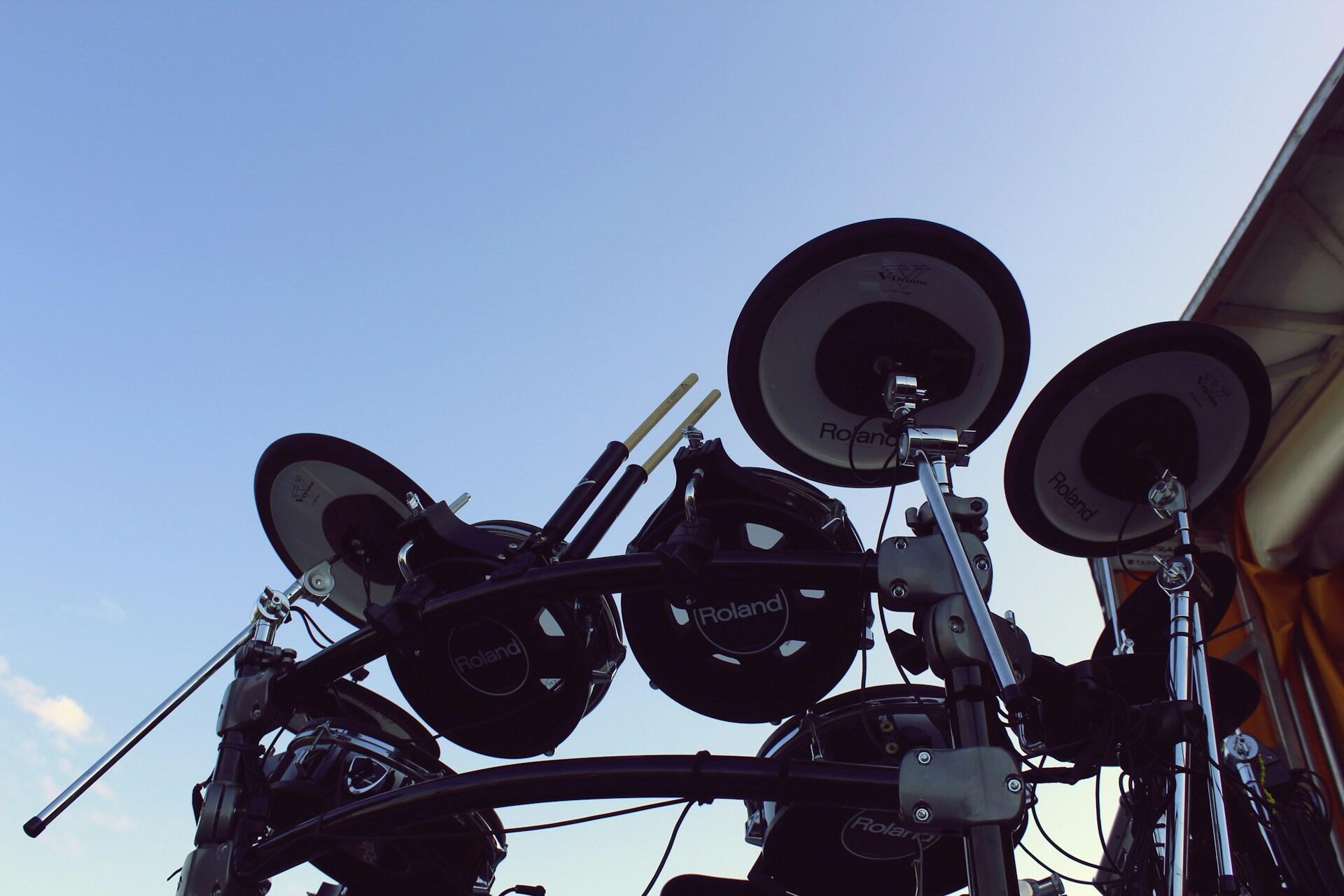

Buying your first drum kit can be overwhelming with so many options. From acoustic drum sets to electronic drum kits, the prices, sizes, and features can vary massively. Focus on value, space, and functionality. Here's our guide for beginners buying their first kit.
Key Takeaways
- A standard drum kit usually includes 5 drums, making it ideal for beginners
- Budget around $700–$1,200 NZD for a good beginner drum set
- A complete drum kit is better than a shell pack for first-time buyers
- Choose acoustic drums for sound and performance, or electronic drums for quiet practice
- Always consider your space, noise level, and goals before buying
- Stick with trusted brands like Pearl, Yamaha, Tama, and Ludwig for reliable quality


What Is a Drum Kit and Why Start Playing the Drums?
A drum kit is a collection of percussion instruments. A typical drum set includes a bass drum, snare drum, toms, and cymbals. This allows your typical drummer to play rhythm, groove, and fills across most music genres. Whether you're learning for fun, joining a band, or taking lessons, you'll find that drums are one of the most accessible instruments, but buying a drum kit is more complicated.
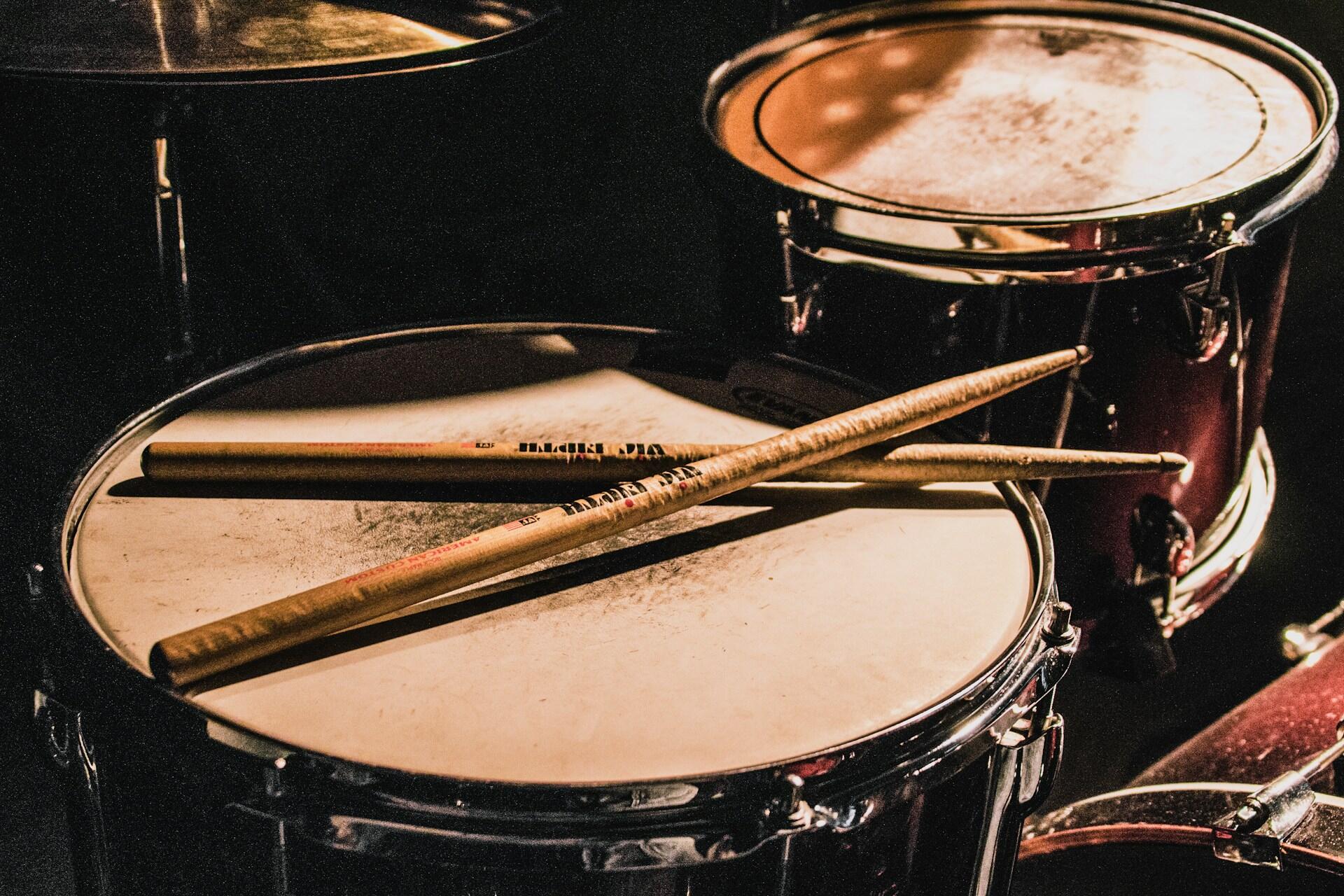
drums in a standard drum kit: bass drum, snare drum, two rack toms, and a floor tom, though some smaller kits may use 4.
The great thing about drums is that you can quickly start playing along with your favourite music. Simple beats can sound great and build confidence early on. Drumming is also great for your timing, coordination, and musical awareness.
What to Look for When Buying a Drum Kit
There are a few things to consider when buying your first drum kit. As a beginner, you'll look for value rather than price. Make sure your kit has everything you need, including the common types of drums. It's a false economy to buy a cheap kit and then find you have to add to it immediately.
Also, consider how much space you have, the type of music you play, and whether an acoustic or electric drum kit is better for you. Sound and playability will be affected by your size, number of pieces, and materials used. Compare your options.
Budget: How Much Should You Spend on a Drum Set?
Complete Drum Kit
- Includes drums, hardware, and often cymbals
- Usually comes with a drum throne and pedal
- Ready to play out of the box
- Best choice for beginners
Shell Pack
- Includes drums only (no stands, cymbals, or pedal)
- Requires additional purchases
- Higher quality shells in many cases
- Better suited to intermediate drummers
A complete drum kit is usually the best choice for beginners because it often includes the drums, hardware, and sometimes cymbals and a stool. A shell pack only includes the drum shells, so you may still need to buy stands, pedals, cymbals, and other essentials separately. When comparing prices, always check exactly what is included before deciding which drum set offers the best value.
Space and Setup: Where Will You Play Your Drums?
How Many Pieces Should Your Drum Kit Have?
Drum Shell Materials and Sound (Maple vs Birch vs Poplar)
Maple
- Warm, balanced tone
- Strong low-end and resonance
- Ideal for versatile playing styles
Birch
- Bright, punchy sound
- Strong attack and projection
- Great for rock and heavier music
Poplar
- Softer, more controlled tone
- Common in beginner drum kits
- Affordable and easy to play
Acoustic vs Electric Drum Kit: Which Should You Choose?
Drum kits can be either acoustic or electric. Beginners have to decide which one to start with. At a certain price point, the two are comparable, but there are practical considerations to think about, like sound and even basic maintenance like tuning your drum kit. While acoustic drums are the traditional option and usually sound better, they're loud, take up more space, and are harder to manage in homes. Electronic drum kits are quieter, more compact, better for practising. They are great if you have limited space or don't want to disturb your neighbours.

Acoustic drums offer a fuller, more natural sound and are ideal for live performance, but they can be loud and require more space. An electric drum kit is quieter, more compact, and often includes built-in sounds and practice features, making it perfect for home use or shared living spaces. Your choice will depend on your environment, budget, and how you plan to use your drum set.
Acoustic Drum Kit
- Real, natural sound and feel
- Better for live performance and bands
- Usually more affordable at entry level
- Requires more space and setup
- Loud, not ideal for shared spaces
Electric Drum Kit
- Much quieter, ideal for home practice
- Compact and easier to move
- Built-in sounds, coaching tools, and headphones
- Great for apartments or shared living
- Less realistic feel compared to acoustic drums
Best Beginner Drum Kits NZ (Full Set Recommendations)
When choosing your first drum kit, focus on a full drum set. You need value and everything you need to start playing straight away. Look to brands like Pearl, Yamaha, Tama, and Ludwig, as they often offer beginner-friendly ranges with kits that balance affordability, durability, and sound, which is key because you'll likely not know the first thing about maintaining your drum kit, and you'll want something that will last.
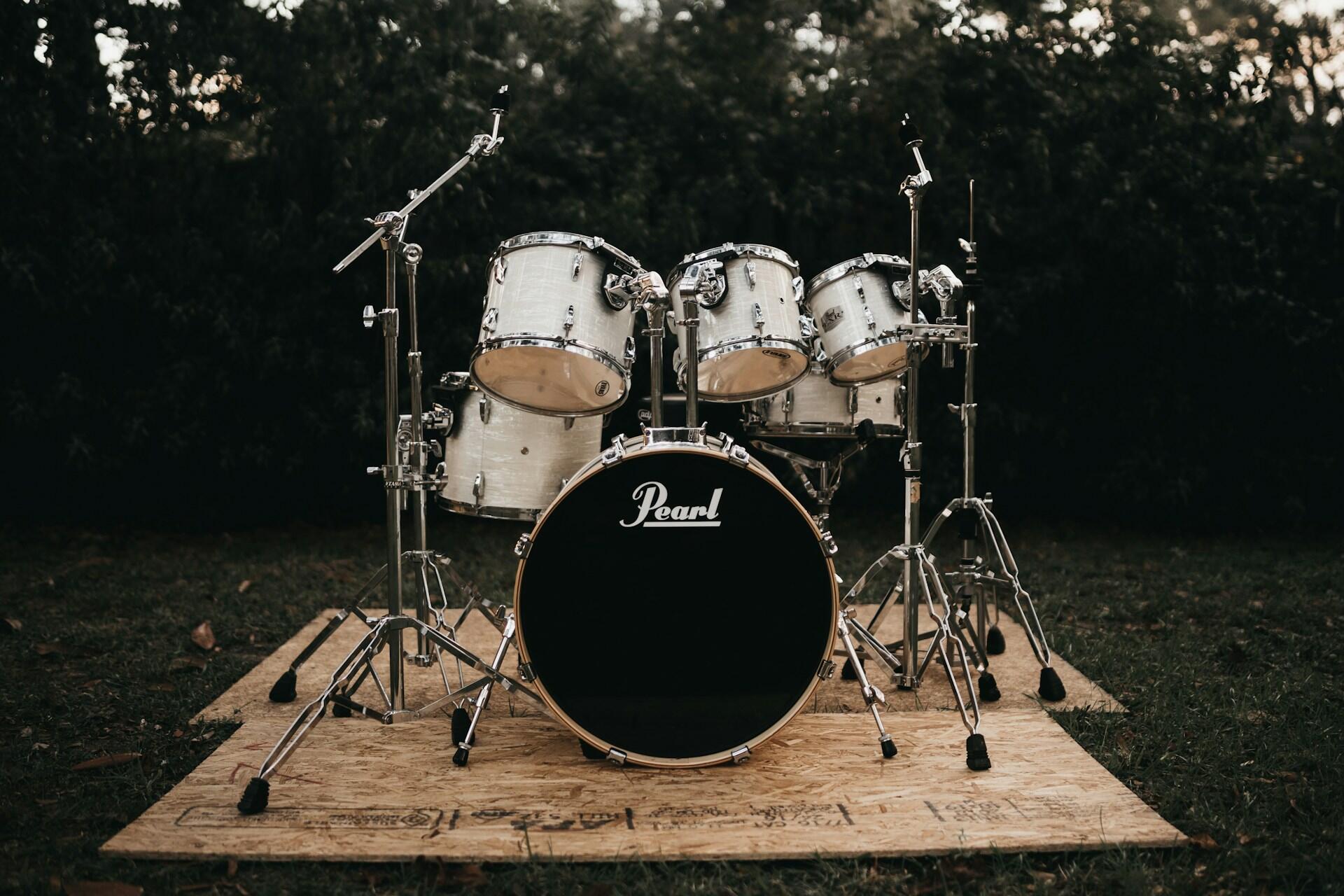
Not all drum kits include the same components. A full beginner drum kit may include a bass drum, snare drum, toms, cymbals, stands, a pedal, and even a drum throne. However, some kits only include the shells, meaning you will need to buy hardware, cymbals, and sticks separately. Always check the product details carefully so you know exactly what you are getting for the price.
Complete kit with cymbals, hardware, and sticks, ideal for beginners
Higher-quality birch shells with excellent tone, a great long-term option
Durable entry-level kit with solid hardware and reliable performance
Budget-friendly full drum kit offering strong value for beginners
Classic brand with complete kits designed for new drummers
Affordable kit with good hardware and punchy sound
Well-built beginner kit with quality shells and hardware included
Entry-level Yamaha kit with dependable build and balanced sound
Step-up option with improved materials and strong reputation
Stylish kit with warm tone and full beginner setup
Best Kids Drum Kit Options for Young Beginners
Kids need to look at size, price, and playability. Younger players need smaller kits. However, older kids may be fine with a full-size set-up. The best advice is to try a kit in the shop before buying a drum kit.
| Model | Type | Price (NZD) | Key Features | Best For |
|---|---|---|---|---|
| Stagg Junior 5-Piece Kit | Acoustic | ~$449 | Compact size, basic hardware included | Young beginners |
| Legacy Junior Drum Kit | Acoustic | ~$479 | Complete set, kid-friendly sizing | Kids aged 4-8 |
| Pearl Roadshow Junior | Acoustic | ~$600-$800 | Full kit, cymbals included, strong brand | Beginners |
| Stagg TIM122 5-Piece Kit | Acoustic | ~$699 | Entry-level full kit, good value | Teen beginners |
| Legacy Fusion 5-Piece Kit | Acoustic | ~$699 | Includes cymbals and throne | First full kit |
Best Electronic Drum Kit NZ Options (Quiet Practice Solutions)
Electronic drum kits give you the option to practise at home in compact spaces. With modern kits featuring built-in sounds, coaching features, and headphone support, they're great for beginners. Here are some of the best electronic drum kits available.
| Model | Price (NZD) | Pads Type | Key Features | Best For |
|---|---|---|---|---|
| Yamaha DTX402-K | ~$895 | Rubber | 415 sounds, training modes | Beginners |
| Roland TD-02K | ~$899 | Rubber | Reliable build, compact design | Home practice |
| Roland TD-02KV | ~$1,299 | Mesh snare | 16 kits, coaching features | Improving players |
| Carlsbro CSD25M | ~$899 | Mesh | Quiet play, good value | Budget buyers |
| Alesis Nitro Pro Kit | ~$1,299 | Mesh | Realistic feel, upgrade option | Intermediate players |
built-in sounds for different playing styles.
Drum Kit Price Guide NZ: What You Get for Your Money
If you're a beginner, you shouldn't overspend on your first kit. Prices can vary according to materials, hardware, and whether the kit is acoustic or electronic. Here's what you can expect to get at each price point.
| Level | Typical Price (NZD) | What You Get | Best For |
|---|---|---|---|
| Kids / Junior Kits | $400-$700 | Smaller drum sets, basic hardware, sometimes cymbals | Young beginners |
| Beginner Acoustic Kits | $700-$1,200 | Full drum kit with cymbals, stands, and throne | New drummers |
| Mid-Range Acoustic Kits | $1,200-$2,000 | Better shell materials, improved hardware, may need cymbals | Improving players |
| Beginner Electronic Kits | $800-$1,300 | Mesh or rubber pads, built-in sounds, headphones compatible | Home practice |
| Mid-Range Electronic Kits | $1,300-$2,000+ | More realistic feel, better modules, coaching features | Serious learners |
Essential Drum Kit Accessories You Shouldn’t Forget
Even if you buy a full kit, you'll still need accessories. Some items are essential (like drum sticks) and nice optional accessories like (like drum bags for travelling with your kit). You'll find that when you buy a full kit, there are often deals on essential accessories.

$20–$60
Essential for playing, often sold in multi-packs
$70–$200
Adjustable seating for comfort and posture
$80–$200
Controls the kick drum, often upgrade-worthy
$70–$150 each
Required to mount crash and ride cymbals
$30–$50
Ideal for quiet practice and improving technique
$75–$300
Protect your kit when transporting
Final Tips Before You Buy Your Drum Set
Check that your choice is right for your budget, space, and goals. Your drum kit should be playable straight away while also giving you room to expand. Focus on practicality and value above all.
Make sure your drum kit comes with hardware, cymbals, and a pedal, so you don’t need to buy extras immediately
Ensure you have enough room for the full setup, including stands and seating
Choose a kit that feels comfortable and suits your height and reach
A standard 5-piece drum kit is more than enough for beginners
Plan to improve heads, cymbals, or pedals as your skills develop
Summarise with AI:
Did you like this article? Leave a rating!

 Loading...