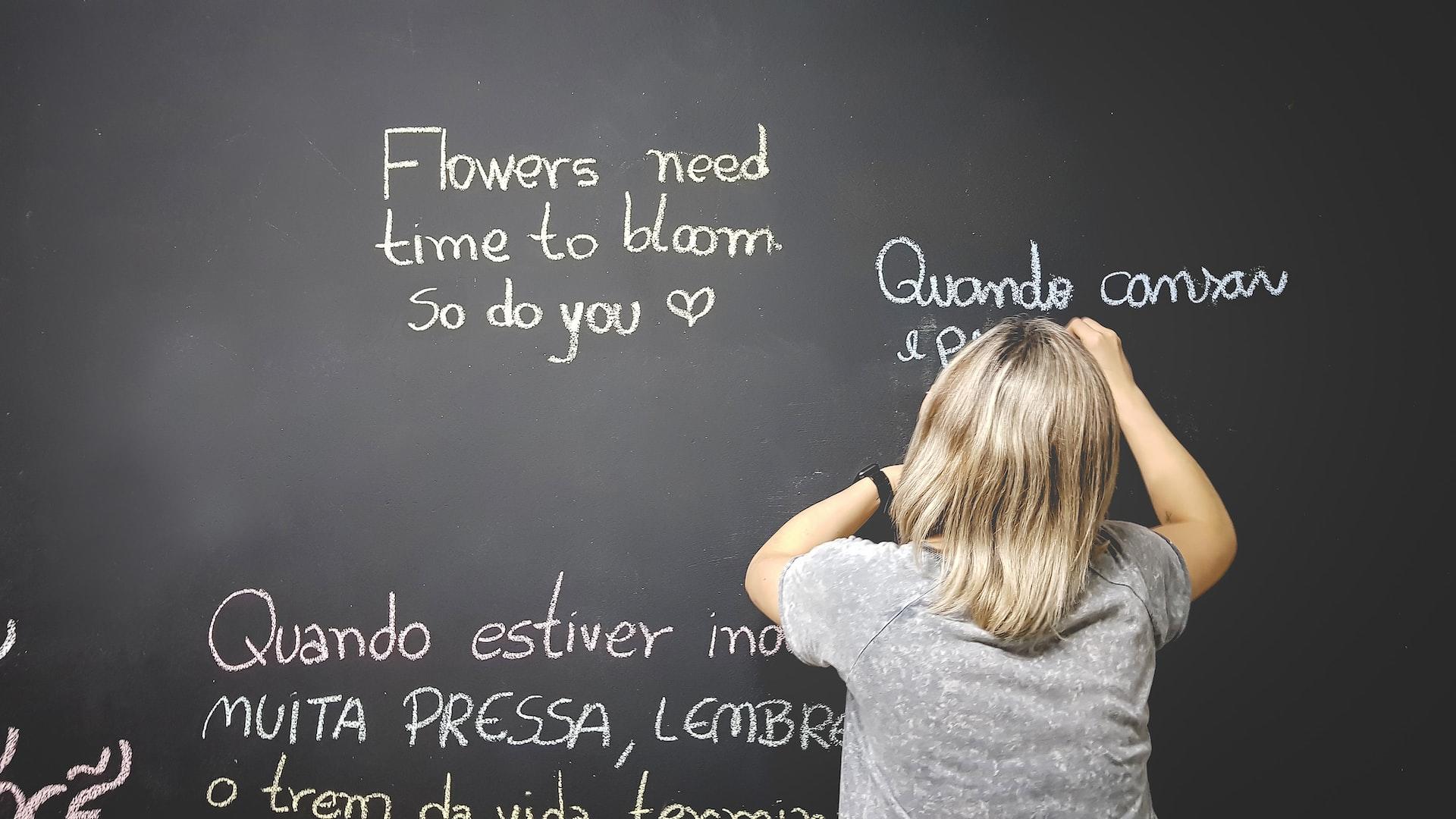

Imagine yourself surrounded by a warm, sunny beach in Spain, sipping on sangria and chatting with locals in perfect Spanish. Or, imagine conducting successful business negotiations in Latin America, all thanks to your fluency in Spanish. These scenarios highlight just a fraction of the limitless possibilities that come with speaking Spanish.
Spanish is one of the most widely spoken languages in the world and is an official language in 20 countries. Knowing Spanish can provide opportunities for travel, business, and cultural exchange. Additionally, as the Spanish-speaking population in New Zealand continues to grow, the demand for Spanish tutors is also increasing.

Spanish tutors are the wizards behind the magic of Spanish fluency. They cast spells of vocabulary, grammar, pronunciation, and cultural appreciation to transform language learners into confident Spanish speakers. As a Spanish tutor, you will have the power to unlock doors to new cultures, career opportunities, and personal growth for your students.
A Spanish tutor is a person who helps students learn the Spanish language. They may work with individuals or small groups, providing personalized lessons and guidance. Spanish tutors help their students develop their language skills, including vocabulary, grammar, reading, writing, speaking, and listening. They also help their students to understand the culture and customs of Spanish-speaking countries.


Essential Qualities for Becoming a Spanish Tutor
A. Knowledge of the Spanish Language
The first and most crucial ingredient in the recipe for becoming a Spanish tutor is an in-depth knowledge of the Spanish language. You need to be fluent in Spanish, able to converse in the language with ease and understand its nuances. Think of yourself as a master chef, and the Spanish language as the ingredients you have to work with. Your expertise in the language will determine the quality of the dishes you prepare for your students.
B. Understanding of Language Teaching Methods
Being a Spanish tutor requires more than just speaking the language. You need to have a deep understanding of how the language is learned and how to teach it effectively. Familiarize yourself with various teaching methods, including communicative language teaching, task-based language teaching, and grammar translation. These methods will serve as your cooking techniques, helping you to present the language in a way that is enjoyable and easy to understand for your students.
C. Communication and Interpersonal Skills
As a Spanish tutor, you will be working closely with your students, guiding them on their language-learning journey. Excellent communication and interpersonal skills are essential to building a positive and productive relationship with your students. You need to be able to communicate clearly and effectively, listen to your student's needs, and provide support and encouragement along the way.
D. Patience and Enthusiasm for Teaching
Learning a new language can be challenging, and it's important for a Spanish tutor to have patience and a genuine enthusiasm for teaching. Your students will look to you for guidance, and your positive attitude and encouragement will help them stay motivated and engaged in the learning process.
E. Relevant Education and Certifications
While not necessarily required, obtaining a degree in Spanish or education, as well as relevant certifications, can enhance your credentials as a Spanish tutor. These credentials can demonstrate your commitment to the language and teaching, and can increase the confidence of potential students and clients in your abilities.
Steps to become a Spanish Tutor
Determine the Level of Your Language Capability
It is essential to have a strong command of the Spanish language in order to work as an online Spanish instructor. Employers and clients frequently want proof of proficiency, which might come in the form of a certification from the Diploma of Spanish as a Foreign Language (DELE) or from an Interagency Language Roundtable Spanish assessment test. Before beginning a profession as a teacher, you need to be certain that you have a solid grasp of your linguistic abilities.

There are several language proficiency exams you can take to demonstrate your Spanish language skills, including:
- DELE (Diploma of Spanish as a Foreign Language) - This exam is organized by the Spanish Ministry of Education, Culture, and Sports and is internationally recognized. It assesses your ability to use the Spanish language in a practical, everyday setting.
- SIELE (International Spanish Language Evaluation Service) - This exam evaluates your ability to use Spanish in four different modes of communication: reading, listening, writing, and speaking.
- CELU (Certificate of Spanish Language Knowledge) - This exam is offered in Argentina and assesses your Spanish proficiency for both personal and professional purposes.
- CELPE-Bras (Certificate of Proficiency in Portuguese for Foreigners) - This exam is offered in Brazil and is recognized by the Brazilian Ministry of Education as a standard for measuring Spanish proficiency.
- CCSE (Certificate of Competence in Spanish) - This exam is offered by the University of Salamanca in Spain and is designed to assess the level of Spanish knowledge for non-native speakers.
It's worth noting that some exams may have specific requirements, such as minimum age or education level, and you should research each exam to determine which one is best for you.
Pick Your Favorite Platform
Online Spanish teachers can instruct students using a variety of platforms, including mobile apps, learning websites, and software designed for teleconferencing. Determine which platform would allow you to teach in the manner that is most effective for you, and consider whether you would like to operate independently or be bound by a formal employment agreement. Superprof is a great platform to start!
Create a Portfolio
Your skills may be shown in an online portfolio, which can also help you keep your lesson plans and other educational papers organised. It is an effective instrument for prospective customers to utilise in assessing your talents and expertise. In your web portfolio, you should only include your very finest work. Superprof shows reviews of your students that you have already taught to the new ones looking for the Spanish teacher
Promote Your Products or Services
It is essential to promote your services if you want to expand your customer base and build a stronger brand. Create material that is connected to language learning, share your online portfolio on your social media profiles, and give some thought to digital marketing whether you have a website, a blog, or an application. This can be the start of a new career for you.
Build your teaching skills
Staying Current with the Spanish Language
Just like a master chef continually experimenting with new ingredients and recipes, it's important for a Spanish tutor to stay current with the language. Immerse yourself in Spanish-speaking cultures through travel, reading, and watching Spanish-language media.

This will not only keep your language skills sharp but also broaden your cultural knowledge, which will come in handy when teaching your students about the culture of Spanish-speaking countries.
Familiarizing Yourself with Various Teaching Methods
As mentioned earlier, understanding different language teaching methods is an essential part of becoming a Spanish tutor. Each method has its strengths and weaknesses, and it's important to find the one that best fits your teaching style and your student's learning style. Experiment with different methods to find the one that works best for you and your students, and be open to adapting your teaching approach as needed.
Building a Lesson Plan
A well-designed lesson plan is the blueprint for a successful Spanish tutoring session. Start by setting clear goals for each lesson, such as introducing new vocabulary, practicing grammar, or improving conversational skills. Then, build a step-by-step plan that will help you achieve these goals, including activities and exercises that engage and challenge your students. Your lesson plan should be flexible enough to accommodate different learning styles and adjust to the needs of individual students.
Improving Your Communication and Interpersonal Skills
As a Spanish tutor, you will be communicating with your students on a regular basis. Improving your communication and interpersonal skills will not only help you build a positive relationship with your students but also ensure that your lessons are productive and effective. Practice active listening, asking open-ended questions, and giving clear and concise instructions. Additionally, be aware of nonverbal communication and the impact it has on your relationship with students.
Understanding Different Learning Styles
No two students are the same, and it's important to understand and accommodate different learning styles in your lessons. Some students may be visual learners, who prefer to see information presented in diagrams or illustrations. Others may be auditory learners, who learn best through listening and speaking. And still, others may be kinesthetic learners, who learn best through hands-on activities. By understanding your student's learning styles, you can tailor your lessons to their needs and help them learn more effectively.
Learning Spanish can be totally worth it, especially in New Zealand.
In conclusion, building your teaching skills is a continuous process that requires ongoing effort and dedication. From staying current with the Spanish language to improving your communication and interpersonal skills, each step is essential in helping you become a successful Spanish tutor.
With patience, perseverance, and a genuine passion for teaching, you will be well on your way to helping your students reach their Spanish language goals.
Summarise with AI:
Did you like this article? Leave a rating!

 Loading...